Quality control is one of the most important factors when choosing cosmetic packaging suppliers for plastic bottles. A bottle may look attractive in a product sample, but it must also meet dimensional requirements, maintain a reliable seal, work with the selected pump or cap, and remain compatible with the cosmetic formula during storage and use.
For skincare and personal care brands, inconsistent packaging can lead to leakage, damaged decorations, filling-line interruptions, customer complaints, and costly product replacements. Reliable suppliers therefore need a clear quality control process that covers raw materials, bottle manufacturing, component assembly, finished-product inspection, and pre-shipment checks.
Lisson Bottle provides customized cosmetic packaging solutions, including PE and PET plastic bottles, airless bottles, pump bottles, and bottles with applicators. Understanding how quality is managed at each production stage helps buyers evaluate suppliers and reduce packaging risks before placing a bulk order.
What Does Quality Control Mean for Plastic Cosmetic Bottles?
Quality control for plastic cosmetic bottles means checking whether the packaging consistently meets agreed specifications for appearance, dimensions, material performance, sealing, dispensing, and compatibility with the intended product.
A professional cosmetic packaging supplier should establish inspection requirements before mass production begins. These requirements typically cover incoming materials, molding quality, bottle dimensions, surface decoration, closure fit, leakage performance, and finished-product packaging.
For example, a bottle designed for facial cleanser may require different dispensing and sealing checks from a bottle intended for a high-viscosity lotion. Likewise, a premium skincare bottle with a custom finish needs additional attention to color consistency, surface appearance, and logo placement.
Brands comparing packaging options can explore Lisson's plastic cosmetic bottles to review bottle formats for different skincare and personal care applications.
How Do Suppliers Inspect Raw Materials Before Production?
Incoming material inspection helps suppliers confirm that the materials used in production match the approved specifications. Material selection affects bottle appearance, mechanical performance, processing consistency, and suitability for the intended cosmetic formula.
Common materials for cosmetic packaging include PET, PE, PP, and PETG. Each has different characteristics, so the appropriate choice depends on the bottle design, formula, dispensing system, and required appearance.
- PET: Often selected for its clarity and appearance in cosmetic and personal care packaging.
- PE: Commonly used for squeezable bottles and packaging that requires flexibility.
- PP: Frequently used for closures, caps, and selected bottle designs.
- PETG: Used in selected cosmetic packaging designs where appearance and design flexibility are important.
Suppliers should verify relevant material documentation, batch identification, and agreed material specifications. Where required, additional checks can assess color, contamination, processing characteristics, and material performance.
For brands developing packaging with specific barrier or protection requirements, material selection should be evaluated alongside formula compatibility rather than based on appearance alone.
How Is Bottle Quality Checked During Manufacturing?
During manufacturing, suppliers monitor the molding process and inspect bottles for defects that could affect filling, sealing, appearance, or product performance. The inspection plan should reflect the bottle's manufacturing method and the characteristics that matter most to the customer.
Typical in-process checks include:
- Dimensional accuracy: Checking bottle height, diameter, capacity, neck finish, and other critical measurements against approved specifications.
- Wall and structural consistency: Identifying uneven walls, deformation, weak areas, or other defects that may affect performance.
- Visual appearance: Inspecting for scratches, black spots, contamination, unwanted color variation, and visible molding defects.
- Neck finish and thread quality: Confirming that the bottle opening matches the intended cap, pump, or sprayer.
- Process consistency: Monitoring relevant production parameters and investigating recurring defects.
A defect that appears minor on one bottle can become a significant problem across a large production run. For this reason, manufacturers should document inspection results and address recurring issues before they affect more finished products.
Brands looking for packaging in different materials and shapes can also compare cosmetic pump bottle options before confirming their bottle design and technical requirements.

Why Are Cap, Pump, and Sprayer Compatibility Tests Important?
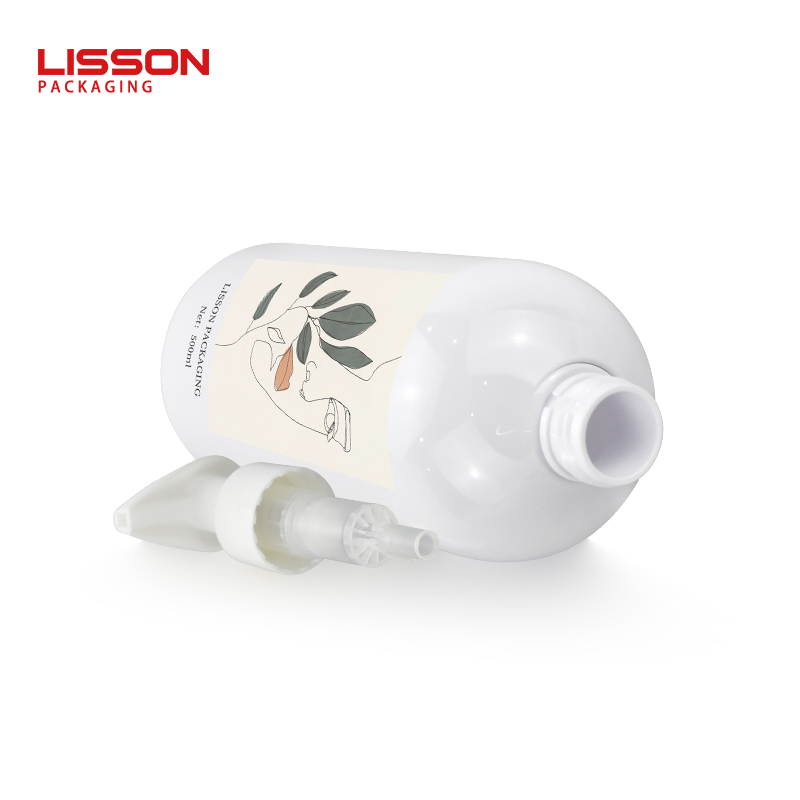
A plastic bottle and its closure must function as a complete packaging system. Even when the bottle and pump are individually well manufactured, a mismatch between their interfaces can cause leakage, difficult assembly, poor dispensing, or inconsistent product delivery.
Suppliers should verify that the bottle neck finish matches the selected closure and that the assembled components work as intended. Depending on the design, checks may include thread engagement, cap tightening, pump actuation, spray performance, and closure retention.
For example, a lotion bottle may need to deliver a consistent amount of product with each pump press. A fine mist spray bottle requires suitable interaction between the formula, dip tube, pump, and nozzle. An airless package needs its dispensing mechanism to operate properly throughout the intended usage cycle.
Compatibility testing should use the actual bottle and closure combination planned for production. Substituting a different pump or cap after approval can change sealing and dispensing performance, so component changes should be reviewed before implementation.
How Do Suppliers Test Bottle Leakage and Seal Integrity?
Leakage testing helps determine whether an assembled package can contain its intended product under specified conditions. It is particularly important for liquid skincare products, lotions, cleansers, shampoos, and other formulas that may be exposed to handling and transportation.
Depending on the packaging design, a quality control plan may include:
- Checking whether the cap, pump, or sprayer is correctly fitted.
- Testing assembled packages with a suitable test liquid or the intended formula.
- Evaluating leakage under relevant orientations and storage conditions.
- Assessing performance after simulated handling or transportation, where required.
- Inspecting sealing surfaces and investigating any failed samples.
The test method, duration, sample quantity, and acceptance criteria should be agreed according to the package design and risk level. A bottle passing a short test does not automatically prove that it will remain leak-free under every transportation or long-term storage condition.
For international orders, it is useful to evaluate the assembled package under conditions relevant to the planned distribution route. This can help identify potential problems before products are shipped in bulk.
How Is Cosmetic Formula Compatibility Evaluated?
Packaging compatibility testing evaluates whether the bottle, closure, and cosmetic formula remain suitable for one another during the intended storage and use period. This matters because a container that works well with one skincare formula may not perform identically with another.
A compatibility assessment may examine changes in the packaging and formula, including:
- Changes in bottle shape, dimensions, color, or surface condition.
- Softening, cracking, swelling, or other material changes.
- Changes in formula color, odor, appearance, or other relevant characteristics.
- Leakage, closure performance, and dispensing consistency over time.
- Potential interactions between the formula and packaging materials.
The appropriate test conditions depend on the formula, packaging materials, expected shelf life, and storage environment. Accelerated testing may provide useful early information, but it should not automatically be treated as a complete substitute for appropriate stability and compatibility evaluation.

For sensitive skincare formulas or products requiring controlled dispensing, brands may also evaluate airless cosmetic bottles. The complete packaging system should still be tested with the intended formulation before mass production.
How Do Suppliers Maintain Consistent Appearance and Printing Quality?
Appearance is an important part of cosmetic packaging quality, especially for brands positioning their products in premium retail markets. Differences in color, surface finish, logo placement, or print quality can make products from the same order look inconsistent.
To reduce these differences, suppliers should use an approved reference sample and documented decoration specifications. Depending on the project, inspection may cover:
- Color matching against the approved reference or Pantone specification.
- Logo position, printing alignment, and artwork accuracy.
- Print adhesion and resistance to expected handling.
- Consistency of matte, glossy, frosted, or other surface finishes.
- Visible defects such as smudges, scratches, uneven coating, and missing print areas.
Brands should approve the final decorated sample before mass production and clarify acceptable tolerances. This is particularly important when packaging uses custom colors, metallic decoration, or multiple printed elements.
What Happens During Final Inspection Before Shipment?
Final inspection checks whether finished products meet the agreed requirements before they leave the factory. It provides another opportunity to identify defects that may have occurred during production, assembly, decoration, or packing.
A typical final inspection plan may include:
- Visual inspection of bottle bodies, closures, and decorations.
- Verification of critical dimensions and product specifications.
- Functional and leakage checks based on the approved inspection plan.
- Confirmation of quantities, product models, and component combinations.
- Review of packaging cartons, protective materials, and shipping labels.
- Inspection records and documentation of any nonconforming products.
Buyers should agree on the inspection method and acceptance criteria before production. For large orders, a documented sampling plan can help both parties understand how finished goods will be evaluated and how defects will be handled.
For brands seeking a supplier with integrated design, manufacturing, and quality management capabilities, learn more about Lisson Bottle's manufacturing and customization services.
What Should Buyers Ask Cosmetic Packaging Suppliers About Quality Control?
Before placing a bulk order, buyers should ask practical questions that reveal how a supplier manages quality throughout the production process. The goal is to understand how specifications are approved, how defects are detected, and what happens if a product fails inspection.
- Can you provide technical specifications and material information for the selected bottle?
- Can we approve a physical sample before mass production?
- What appearance and dimensional checks are performed during manufacturing?
- How do you test bottle, cap, pump, and sprayer compatibility?
- What leakage and formula compatibility tests are appropriate for our product?
- How are printing quality and color consistency checked?
- Can you provide relevant inspection reports and material documentation?
- How are production batches identified and nonconforming products handled?
- Can we arrange a pre-shipment inspection for our order?
A reliable supplier should be able to explain its process clearly and identify which tests are included, which require additional arrangements, and which depend on the customer's formula or packaging specification. Buyers should verify specific certifications and test reports rather than relying on general quality claims alone.
Frequently Asked Questions About Cosmetic Bottle Quality Control
What quality tests should plastic cosmetic bottles pass?
Common checks include appearance inspection, dimensional measurement, closure compatibility, leakage testing, decoration inspection, and formula compatibility evaluation where required. The exact test plan depends on the bottle design and intended use.
Why should brands test samples before mass production?
Sample testing helps confirm that the bottle meets the approved design, works with the intended cap or pump, and is suitable for the formula and filling process. It also provides an opportunity to correct issues before a large quantity is manufactured.
How can buyers reduce defects in custom cosmetic bottles?
Provide clear specifications, approve a physical sample, define acceptance criteria, test the complete packaging system, and agree on inspection procedures before production. Changes to materials, molds, closures, or decoration should be reviewed before implementation.
Does a leak test guarantee that a bottle will never leak?
No. A leak test evaluates performance under specified conditions. Long-term results also depend on the formula, closure design, handling, storage, and transportation conditions.
Should cosmetic packaging suppliers provide quality inspection reports?
Buyers can request relevant inspection records, test results, material documentation, and certification information according to the project requirements. The documents should correspond to the actual materials, product configuration, and production batch where applicable.
Choose a Cosmetic Packaging Supplier with a Clear Quality Process
Quality control for plastic cosmetic bottles should cover the entire process, from incoming materials and manufacturing to component assembly, compatibility testing, and final inspection. Each stage helps reduce the risk of leakage, inconsistent appearance, dispensing problems, and production delays.
For skincare and personal care brands, the best supplier is not simply the one offering an attractive bottle. It is the supplier that can understand the product requirements, provide suitable packaging options, support sample evaluation, and explain how quality will be checked during mass production.
Lisson Bottle offers plastic cosmetic packaging and customization solutions for different product applications. Before confirming an order, share your formula type, target capacity, preferred material, closure requirements, and decoration specifications so the packaging solution and inspection plan can be evaluated together.
Visit Lisson Bottle to explore cosmetic packaging options for your next product development project.