Choosing the right indoor cat house is about more than finding a cute piece of pet furniture. Cats need a comfortable place where they can rest, hide, observe their surroundings, and feel secure. A well-designed cat house can provide that private space while fitting naturally into the home's interior.
However, not every cat house is suitable for every pet. Material quality, structural stability, ventilation, interior space, and ease of cleaning all affect how comfortable and practical a cat house will be.
For pet owners, the best choice is one that matches their cat's habits and living environment. For pet product retailers and brands, understanding these factors also helps when selecting reliable products for their collections. HOMER offers customized cardboard cat house furniture designed to combine resting spaces with practical scratching functions.
What Makes a Cat House Safe and Comfortable for Indoor Cats?
A good indoor cat house should provide a secure resting area, enough room for movement, suitable airflow, and a stable structure. It should also be made from materials appropriate for regular contact with pets.
When comparing different products, focus on these essential features:
- Safe materials: Choose products with clearly identified materials, suitable adhesives, and no exposed sharp edges or loose components that could injure a cat.
- Stable construction: The house should remain steady when a cat enters, exits, or moves around inside.
- Suitable dimensions: The interior should allow the cat to turn around, stretch, and adopt its preferred sleeping position.
- Good ventilation: Openings should allow fresh air to circulate without making the resting area feel overly exposed.
- Comfortable surfaces: Smooth, properly finished surfaces and optional washable bedding can make resting more pleasant.
- Easy maintenance: Removable cushions, accessible openings, and simple structures make routine cleaning easier.
A cat house does not need to be complicated to work well. In many homes, a simple enclosed structure with an appropriately sized entrance and a comfortable resting area is enough.
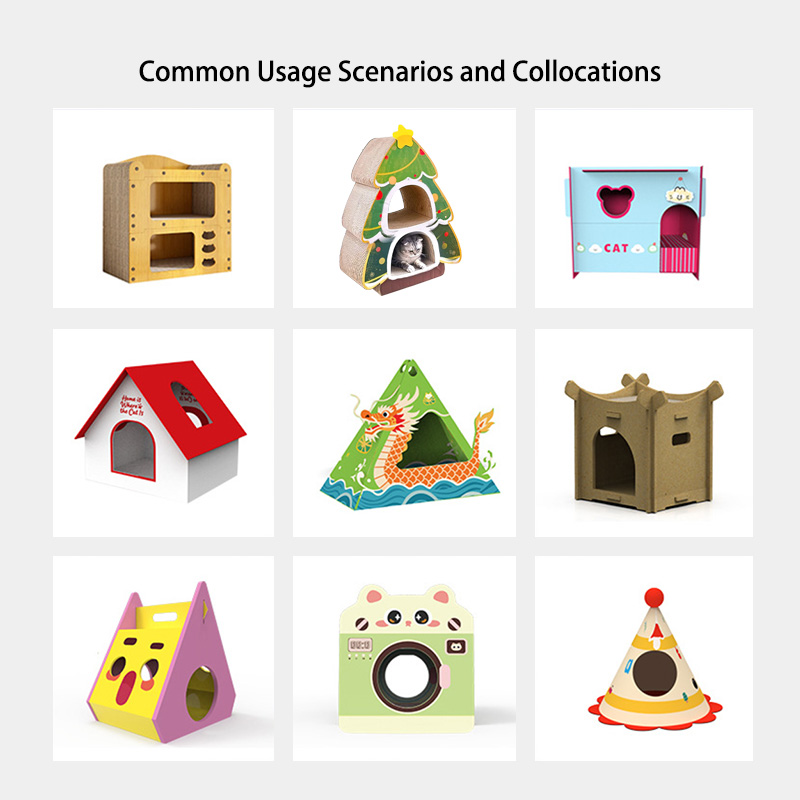
A private enclosure can help cats feel more comfortable, particularly when they prefer quiet places away from household activity.
Choose the Right Cat House Material
Material selection affects durability, comfort, maintenance, and the overall appearance of a cat house. Different materials suit different household conditions and product preferences.
Corrugated Cardboard
Corrugated cardboard is a popular material for indoor cat houses and scratching furniture. Its layered construction allows manufacturers to create different shapes, sizes, and functional designs. Cats can use the structure as a resting area while enjoying the texture of the cardboard for scratching.
Cardboard products are generally lightweight and easy to move. Depending on their construction and local recycling requirements, paper-based materials may also offer recycling opportunities.
HOMER specializes in corrugated cardboard cat houses and scratchers, offering customized shapes, dimensions, and printing options for different product requirements.
Wood and Engineered Wood
Wooden cat houses can provide a solid structure and a furniture-like appearance. They are suitable for owners who want a more permanent indoor installation. However, the surface should be properly finished, and all joints, edges, and fasteners should be checked for safety.
Fabric and Plush Materials
Fabric cat houses and soft-sided enclosures are often chosen for their cozy feel. They can be particularly appealing to cats that enjoy enclosed sleeping spaces. The main consideration is cleaning, since fabric can collect loose fur, dust, and odors.
Plastic Cat Houses
Plastic structures are generally easy to wipe down and can be useful in areas where occasional spills are a concern. However, buyers should pay attention to ventilation, surface finishing, and material quality.
The right material depends on the cat's behavior, the intended location, and the owner's maintenance preferences. There is no single material that works best for every household.
How to Choose the Right Cat House Size
Size is one of the most important considerations when choosing a cat house. A small enclosure may feel restrictive, while an oversized structure may not provide the cozy, enclosed feeling that some cats prefer.
Before purchasing, observe how your cat normally sleeps and rests. Some cats like curling up in compact spaces, while others prefer stretching out or changing positions throughout the day.
Here are some practical sizing considerations:
- Measure your cat: Check body length, height, and the amount of space needed for comfortable movement.
- Consider sleeping habits: Cats that stretch out need more interior length than cats that usually sleep curled up.
- Check the entrance: The opening should allow the cat to enter and leave comfortably.
- Allow room for bedding: If you plan to add a cushion or blanket, account for its thickness.
- Consider future use: For growing kittens, choose a design that will remain practical as they become larger.
For multi-cat households, separate resting spaces may be more practical than expecting several cats to share one enclosed house. Each cat should have the option to retreat to a quiet area without being disturbed.
For manufacturers and retailers, offering different dimensions is also important because customers have different expectations depending on cat size, household layout, and product positioning.
Why Ventilation and Entrance Design Matter
A comfortable cat house should provide privacy without restricting airflow. Poorly designed enclosed spaces may become stuffy, particularly when placed in warm rooms or areas with limited air circulation.
When evaluating a cat house, consider the following design details:
- Entrance size: The opening should be large enough for the cat to pass through without difficulty.
- Airflow openings: Additional openings can help air circulate inside the enclosure.
- Interior visibility: Some cats prefer partially open designs that allow them to observe their surroundings.
- Escape access: Designs with more than one opening may be useful for cats that dislike enclosed spaces, depending on the product structure.
- Placement: Avoid positioning the house in a location exposed to excessive heat, dampness, or strong drafts.
Entrance design also affects how easily owners can clean the interior. A practical opening should allow access for removing loose fur, dust, and small pieces of debris.
Different Types of Indoor Cat Houses to Consider
Indoor cat houses come in different designs, each serving a slightly different purpose. The best option depends on whether your cat prefers hiding, sleeping, scratching, or watching the surrounding environment.
Enclosed Cardboard Cat Houses
Enclosed designs provide a private resting space where cats can retreat when they want some quiet time. Corrugated cardboard models are lightweight and can be developed in different shapes to suit residential interiors.
Cat Houses with Integrated Scratching Boards
Multifunctional cat houses combine a resting area with a scratching surface. This design can help make better use of limited indoor space while providing cats with more than one activity in a single product.
HOMER's corrugated cardboard cat scratcher range is a useful example of how paper-based structures can combine scratching and resting functions.
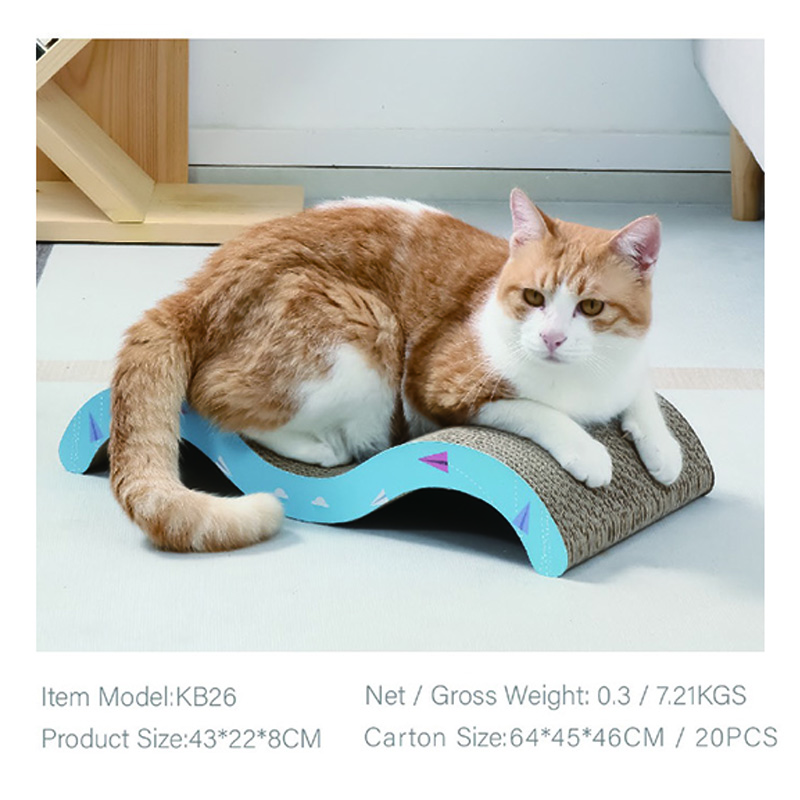
Curved scratching furniture can provide both a place to rest and a surface for natural scratching behavior.
Cat Scratcher Beds
Some cats prefer open resting surfaces rather than enclosed houses. A curved cardboard scratching bed can provide a comfortable lounging area while allowing cats to scratch the surface.
For example, HOMER offers a thickened corrugated cardboard cat scratcher bed for brands looking to develop multifunctional indoor pet furniture.
Decorative Cardboard Cat Houses
Decorative designs are suitable for pet owners who want cat furniture to blend into their home interiors. Custom shapes, printed patterns, and different colors can make a functional cat house more visually appealing.
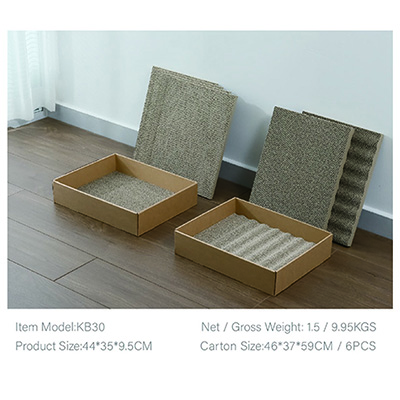
Simple cardboard structures can also be customized with different openings, dimensions, and visual details to suit different product concepts.
How to Make an Indoor Cat House More Comfortable
Even a well-designed cat house may need a few adjustments before your cat feels comfortable using it. Placement and familiar surroundings often make a noticeable difference.
Choose a Quiet Location
Place the cat house away from busy walkways, loud appliances, and frequently opened doors. Cats often prefer resting areas where they can relax without constant interruptions.
Add Familiar Bedding
A soft blanket or washable cushion can make the interior more inviting. Using a familiar blanket may also help the cat recognize the new space as part of its home.
Keep the Temperature Comfortable
Avoid placing the cat house directly beside heaters, in strong sunlight, or near cold drafts. The goal is to provide a comfortable resting environment without excessive heat or poor air circulation.
Introduce the House Gradually
Some cats will explore a new house immediately, while others need time. Place it in a familiar area and allow the cat to investigate at its own pace. Avoid forcing the cat inside.
Keep the Surrounding Area Clean
Remove loose fur, dust, and debris regularly. If the design includes removable bedding, wash it according to the care instructions.
How to Maintain and Clean a Cat House
Regular maintenance helps keep an indoor cat house comfortable and extends its useful life. The cleaning method should match the materials and construction of the product.
For fabric cat houses, check whether the cushions or covers can be removed and washed. Plastic structures can generally be cleaned with a pet-safe cleaning product according to the manufacturer's instructions.
Corrugated cardboard cat houses require a different approach. Because paper-based materials can absorb moisture, avoid soaking them or using excessive liquid cleaners.
For cardboard models, follow these simple maintenance practices:
- Remove loose cardboard fibers and surface debris regularly.
- Keep the structure in a dry indoor location.
- Check the edges and bonded layers for signs of excessive wear.
- Replace the product if it becomes unstable, heavily damaged, or difficult to keep clean.
- Avoid using wet cleaning methods unless the manufacturer specifically confirms they are suitable.
A cat house that is regularly inspected and properly maintained is more likely to remain a comfortable part of the indoor environment.
What Pet Brands Should Look for in a Custom Cat House Manufacturer
For pet product brands, retailers, and wholesalers, selecting a reliable cat house manufacturer involves more than comparing prices. Product design, material consistency, customization capabilities, and production communication all matter.
Before choosing a supplier, consider the following points:
- Material specifications: Can the manufacturer explain the cardboard grade, construction, adhesives, and other materials used?
- Structural design: Can the supplier develop suitable entrances, ventilation openings, and stable product structures?
- Customization: Can the product be manufactured in different dimensions, shapes, and colors?
- Printing quality: Can the manufacturer reproduce brand graphics and packaging designs consistently?
- Sampling support: Can a sample be reviewed before mass production?
- Production capacity: Can the supplier meet the required order quantity and delivery schedule?
HOMER provides custom design and printing services for corrugated cardboard cat houses and cat scratchers. Its product range includes square, rectangular, circular, classic, and specially designed structures.
According to HOMER's product specifications, available customization options include customer-defined dimensions, CMYK and Pantone colors, and selected finishing techniques such as embossing, matte or glossy lamination, stamping, UV coating, and foil finishing, depending on the product design.
For businesses developing a private-label pet furniture collection, custom corrugated cardboard cat products offer opportunities to combine functional designs with recognizable brand graphics.
HOMER also provides professional design assistance based on customer requirements. Its listed product information indicates sample production of approximately 5–10 days for full-color printed products and bulk production of approximately 15–30 days, depending on order quantity and specifications.
These services make HOMER a potential manufacturing partner for businesses looking to develop customized cardboard cat houses, scratching furniture, and related paper-based pet products.
How to Choose the Best Indoor Cat House for Your Home
Ultimately, choosing a safe and comfortable cat house comes down to understanding your cat's habits and matching them with the right product design.
A useful selection process is to start with your cat's size and preferred sleeping position, then compare materials, ventilation, stability, and cleaning requirements. Consider where the house will be placed and whether your cat prefers an enclosed hiding space or an open resting surface.
For households with limited space, a multifunctional cardboard cat house or scratching bed may be a practical choice. For cats that prefer privacy, an enclosed design with a suitable entrance may be more appealing.
HOMER supports customized corrugated cardboard cat houses and scratching products, giving pet brands and retailers more flexibility when developing their own product collections. With attention to material selection, functional design, and printing details, a cat house can become both a useful pet accessory and a distinctive retail product.
Frequently Asked Questions About Indoor Cat Houses
What is the safest type of cat house for indoor cats?
A safe indoor cat house should have a stable structure, appropriately sized openings, smooth edges, suitable materials, and adequate ventilation. Always check for loose parts or damaged surfaces that could create a hazard.
What material is best for an indoor cat house?
Corrugated cardboard, wood, fabric, and plastic can all be suitable depending on the design and intended use. Cardboard is lightweight and versatile, while fabric offers a soft resting surface. The best option depends on the cat's preferences and the owner's maintenance requirements.
How big should an indoor cat house be?
The house should provide enough room for the cat to enter, turn around, stretch, and rest comfortably. Measure the cat and consider its usual sleeping position before selecting a product.
Do indoor cats need an enclosed cat house?
Not every cat needs an enclosed house, but many cats appreciate having a private hiding and resting space. Open beds, covered houses, and multifunctional scratching furniture can all serve different preferences.
How do I keep a cardboard cat house clean?
Remove loose fur and debris regularly, keep the structure dry, and inspect it for damaged layers or unstable sections. Avoid soaking cardboard or using excessive liquid cleaners.
Are cardboard cat houses durable enough for everyday use?
Durability depends on cardboard density, construction quality, product design, and how frequently the cat uses it. A well-constructed cardboard cat house can serve as a practical indoor resting and scratching product, but it should be inspected regularly and replaced when excessively worn.
Can a cat house combine sleeping and scratching functions?
Yes. Some cardboard cat houses incorporate scratching surfaces into their design, allowing cats to use one product for resting, hiding, and scratching. This multifunctional approach can also help save space in smaller homes.
Does HOMER offer custom cardboard cat houses for wholesale and private-label brands?
Yes. HOMER provides custom corrugated cardboard cat houses and scratching products with options for different shapes, dimensions, CMYK and Pantone colors, and selected printing and finishing techniques. Businesses can contact HOMER to discuss design, samples, and bulk production requirements.