Choosing the right custom drinkware supplier is an important decision for brands planning to launch or expand their own drinkware collections. A suitable supplier does more than provide water bottles, tumblers, or thermal mugs. The right partner should help you select products that match your target customers, confirm material and functional requirements, support brand customization, and maintain consistent product quality.
For startups, retailers, promotional product distributors, and established lifestyle brands, the challenge is often knowing which supplier can turn a product idea into a market-ready item. A competitive quotation alone is not enough. Product range, material transparency, customization options, sample evaluation, production lead time, and communication all influence the success of a custom drinkware project.
Homer Trimmings provides a range of cups, mugs, insulated bottles, and tumblers, with customization support for business customers. This guide explains how to evaluate a custom drinkware supplier, what details to confirm before placing an order, and how to select drinkware that fits your brand positioning.
What Makes a Good Custom Drinkware Supplier?
A good custom drinkware supplier should be able to provide suitable product options, clear specifications, reliable customization support, and a well-defined order process. For brands purchasing drinkware in bulk, these capabilities are essential because the final product needs to meet both functional expectations and brand presentation requirements.
When evaluating a supplier, consider whether it can support the following areas:
- Product selection: A range of water bottles, travel mugs, insulated tumblers, and thermal cups for different customer groups.
- Material information: Clear details about stainless steel grades, titanium construction, inner coatings, lids, and other components.
- Brand customization: Options for logo printing, colors, patterns, and product appearance based on the selected model.
- Sample evaluation: The opportunity to review product quality, dimensions, printing, and functionality before bulk production.
- Production coordination: Clear communication about order quantities, production schedules, packaging, and delivery.
- Quality management: Agreed product specifications and inspection requirements to help maintain consistency between samples and bulk orders.
A supplier does not need to offer every possible drinkware design. What matters more is whether its actual products and customization services match your business requirements.
For example, a brand targeting office professionals may prioritize ceramic-lined thermal mugs, while an outdoor lifestyle brand may prefer large-capacity insulated bottles with convenient handles and straw lids. A supplier with relevant product options can help narrow the selection process.
Choose Drinkware Products That Match Your Brand Positioning
Before contacting a custom drinkware supplier, define the type of customer you want to reach. The same tumbler may not appeal equally to office workers, outdoor enthusiasts, fitness customers, and premium gift buyers. Product selection should reflect how your customers will use the item and what they value most.
Homer Trimmings offers a collection of cups and mugs that includes insulated water bottles, stainless steel tumblers, ceramic-lined thermal mugs, and titanium thermal cups. These product styles provide different directions for brands developing drinkware collections.
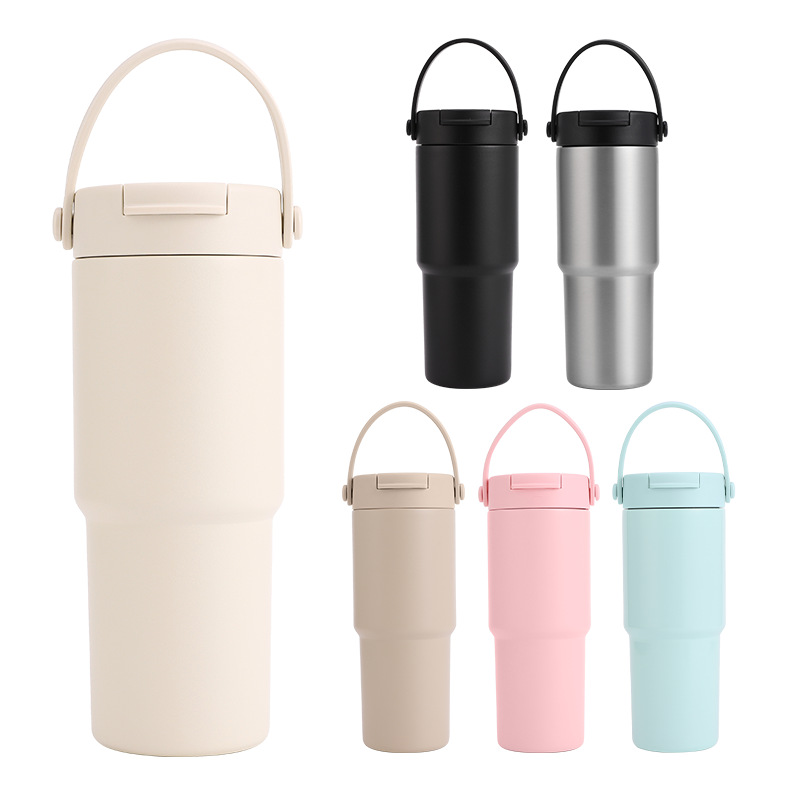
Insulated stainless steel bottles for everyday use
Stainless steel bottles are suitable for brands targeting customers who need reusable drinkware for commuting, office use, gym activities, hiking, and travel. When selecting a bottle, pay attention to its capacity, lid design, insulation structure, portability, and ease of cleaning.
For example, Homer Trimmings offers an insulated water bottle for hiking. Its listed product specifications include a 24 oz capacity, food-grade stainless steel, double-wall vacuum insulation, and customizable colors. The product description also identifies cold retention of up to 24 hours and hot retention of up to 12 hours.
Thermal tumblers for lifestyle and travel brands
Large-capacity tumblers with handles and straws are suitable for brands targeting customers who prefer convenient drinkware for home, driving, commuting, and outdoor activities. Their overall appearance, handle design, straw lid, and color options can all influence how well the product fits a retail collection.
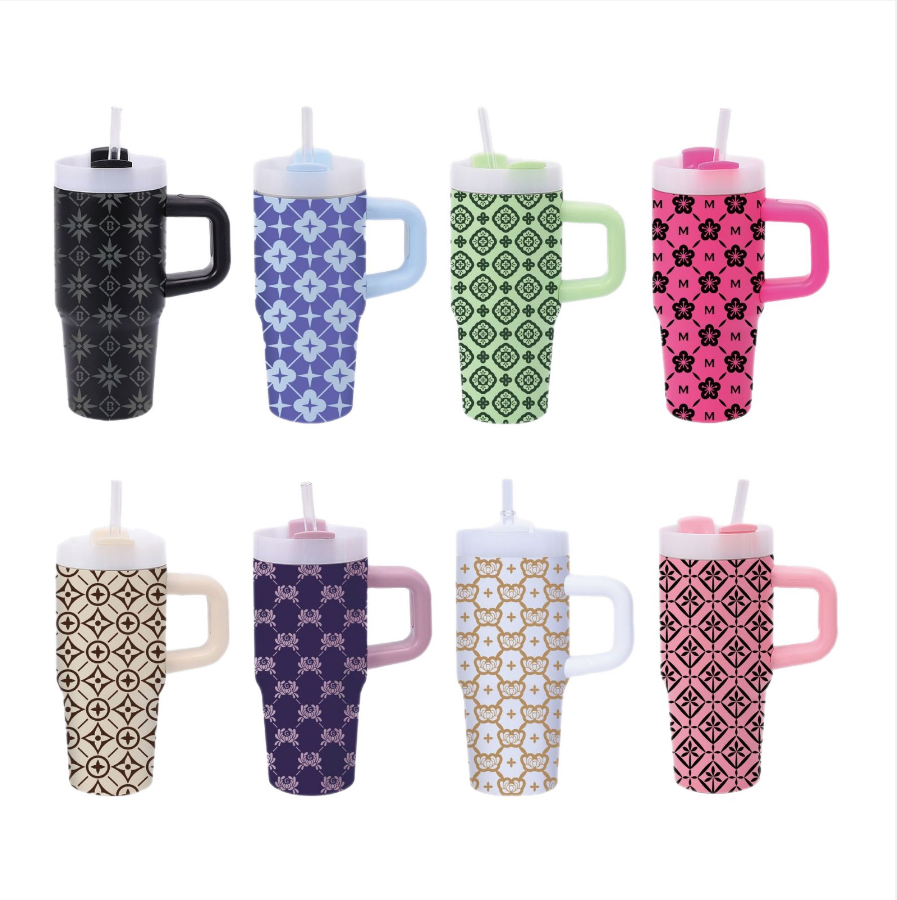
Homer's premium vacuum-insulated tumbler with handle and straw features a food-grade stainless steel body and double-wall vacuum insulation. The product page lists different color options and supports custom logos and patterns, making it an option for brands developing personalized drinkware for retail or promotional use.
Ceramic-lined thermal mugs for coffee and tea brands
Some customers prefer a ceramic contact surface for their daily coffee or tea. A ceramic-lined thermal mug combines a metal body with an inner ceramic coating, offering a different drinking experience from a conventional stainless steel interior.
Homer's ceramic-lined thermal mug uses 316 stainless steel and a double-wall vacuum-insulated structure. Its listed accessories include a tumbler body, straw lid, and reusable straw. Buyers developing this type of product should confirm the coating details, cleaning instructions, lid configuration, and intended application.
Titanium thermal cups for premium product collections
For brands looking for a distinctive material direction, titanium drinkware can be considered for premium lifestyle, office, and travel collections. Buyers should confirm whether the product uses titanium on the inner surface, outer surface, or both, because these constructions are not interchangeable.
Homer Trimmings offers an internal and external pure titanium thermal cup. Its product details specify pure titanium on both the inside and outside, a matte finish, Pantone and CMYK color options, and printing methods including offset, screen, and flexographic printing.
Check Material Quality and Product Specifications
Material selection directly affects a drinkware product's appearance, weight, durability, maintenance requirements, and intended use. A reliable supplier should provide product-specific material information instead of using broad descriptions such as premium metal or high-quality stainless steel.
When comparing drinkware materials, consider the following points:
- Stainless steel: Confirm the specific grade used for the product body and whether the inner and outer walls use the same material.
- Titanium: Confirm the exact titanium construction and whether the material is used on both the interior and exterior.
- Ceramic lining: Ask about the inner coating, its intended use, cleaning requirements, and care instructions.
- Plastic components: Check the lid, straw, seals, and other accessories, including their material specifications and compatibility with the intended beverage use.
- Insulation structure: Confirm whether the product uses single-wall or double-wall vacuum insulation and request product-specific performance information.
It is also important to distinguish material specifications from finished-product performance. For example, a stainless steel body alone does not establish how long a tumbler can retain heat or cold. Insulation construction, lid design, capacity, and testing conditions also matter.
Ask the supplier to provide the relevant specifications for the exact model you intend to purchase. This helps avoid comparing products based on assumptions rather than verifiable details.
Evaluate Custom Logo, Color, and Design Options
For a private-label drinkware project, customization is one of the main reasons to work with a specialized supplier. A product should reflect your brand identity while remaining practical for everyday use.
Custom drinkware projects may involve several design elements:
- Logo placement: Confirm the size, position, and visibility of the brand logo on the product.
- Color matching: Discuss available colors and whether Pantone or CMYK references can be used for the selected model.
- Printed patterns: Consider brand graphics, geometric patterns, seasonal designs, or other artwork that fits your target market.
- Surface finish: Compare matte, glossy, and other available finishes according to the product structure.
- Accessories: Check whether the lid, handle, straw, or other components can be coordinated with the overall design.
- Retail packaging: Consider how individual packaging can support product presentation and the unboxing experience.
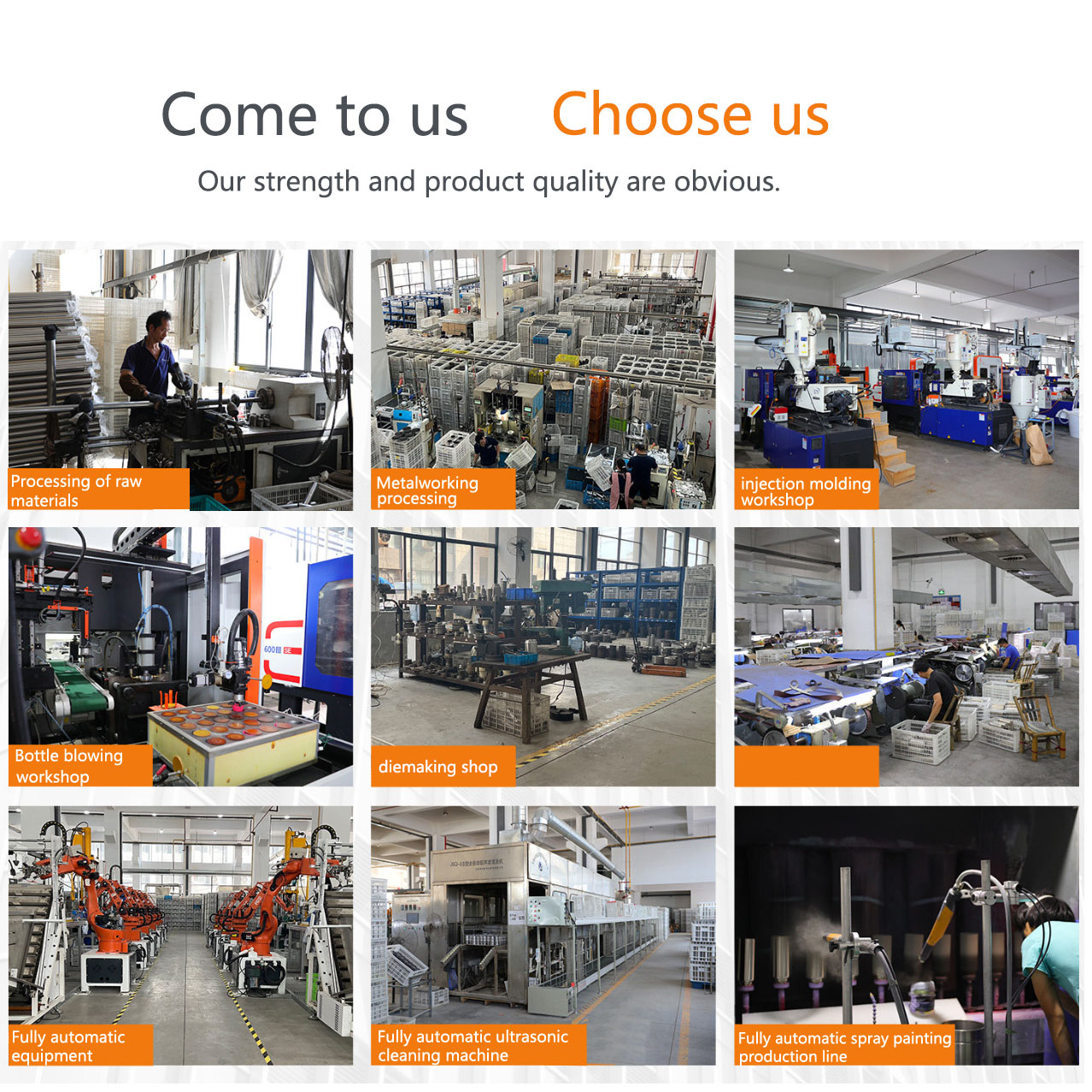
Not every customization method is suitable for every drinkware material or surface. Before approving artwork, ask the supplier to confirm the available printing process, printable area, color limitations, and whether the selected finish is compatible with the design.
For example, Homer Trimmings lists Pantone and CMYK color options and multiple printing methods for its pure titanium thermal cup. The available customization details should always be checked against the specific product model rather than assumed to apply to the entire drinkware range.
Request Samples Before Confirming Bulk Production
A product sample allows a brand to evaluate whether the selected drinkware meets its expectations before committing to a larger order. This is especially important for custom products because small differences in color, printing position, lid fit, or surface finish can affect the final presentation.
During sample evaluation, pay attention to the following details:
- Product dimensions, capacity, and overall weight.
- Body material, inner surface, and external finish.
- Lid fit, straw compatibility, handle comfort, and opening mechanism.
- Logo size, printing position, color accuracy, and pattern quality.
- Leak resistance and insulation performance under appropriate test conditions.
- Packaging appearance and protection during transportation.
For customized drinkware, provide the supplier with clear artwork files, color references, and product requirements before sample development. Once the sample is approved, keep it as a reference for bulk production and document any confirmed changes.
Sample availability and development time depend on the selected product. For example, Homer lists a sample production time of approximately 5–7 working days for its pure titanium thermal cup. This should not be treated as a universal sample lead time for every drinkware model.
Compare MOQ, Pricing, and Production Lead Time
Minimum order quantity, or MOQ, is an important consideration when choosing a custom drinkware supplier. A startup launching its first product collection may need a different order arrangement from an established retailer purchasing for multiple sales channels.
When requesting a quotation, provide the supplier with your estimated order quantity, selected product model, customization requirements, and packaging preferences. This makes it easier to compare quotations based on the same specifications.
Do not compare suppliers by unit price alone. A complete cost evaluation should consider:
- Base product price and material specifications.
- Logo printing, color customization, and other additional processes.
- Sample development and any applicable setup costs.
- Individual packaging and bulk carton requirements.
- Shipping method, destination, and delivery arrangements.
- Possible costs associated with artwork revisions or specification changes.
Production lead time should also be confirmed before placing an order. Homer Trimmings lists approximately 15–30 days for bulk production on several drinkware product pages, depending on the selected model and order quantity. Buyers should request a project-specific schedule covering sample approval, production, inspection, and shipment.
For new brands, it may be more practical to start with a focused product selection instead of ordering too many styles and colors at once. A smaller, well-planned collection can make inventory management and market testing easier.
Assess Quality Control and Supplier Communication
Consistent product quality is essential for brands that plan to sell drinkware under their own names. Even when the first sample looks satisfactory, buyers still need to understand how the supplier will maintain the approved specifications during bulk production.
Before confirming an order, discuss the following quality control points:
- Whether the approved sample will serve as the production reference.
- How material, dimensions, and product accessories will be checked.
- How printing colors and logo positions will be compared with approved artwork.
- Whether lids, seals, and closures will be inspected for proper fit.
- How defects or products outside the agreed specifications will be handled.
- Whether inspection photos or records can be provided before shipment.
Communication is equally important. A dependable drinkware supplier should be able to answer product questions, explain customization limitations, confirm changes, and provide updates throughout the order process.
Homer Trimmings describes its services as covering product research and development, production, technical support, tailored design, and after-sales service. For brands evaluating a potential cooperation, these service areas provide useful starting points for discussing the actual requirements of a drinkware project.
Why Consider Homer Trimmings for Custom Drinkware?
Homer Trimmings is based in Xiamen, China, and provides a range of customized products for business customers. Its product portfolio covers garment accessories, printing products, packaging, and drinkware.
Within the Cups & Mugs collection, buyers can explore different drinkware styles, including insulated water bottles, stainless steel tumblers, ceramic-lined thermal mugs, and pure titanium thermal cups.
This range gives brands several product directions to consider when developing drinkware for different customer groups. A retailer may be interested in reusable bottles for daily hydration, while a lifestyle brand may prefer a customized tumbler with a distinctive color or printed pattern.
Homer's product pages also provide model-specific information about materials, colors, product structures, applications, and lead times. Buyers can use these details as a starting point for confirming the requirements of their own projects.
In addition to product selection, Homer describes its services as including tailored design, production support, logistics arrangements, and one-to-one after-sales service. These capabilities can be discussed according to the product model, order quantity, and customization scope.
Brands interested in developing a coordinated drinkware collection can explore the full Cups & Mugs product range to compare available styles and identify suitable products for their target markets.
What Information Should You Prepare Before Contacting a Supplier?
Providing clear project information helps a supplier understand your requirements and prepare a more relevant quotation. Before requesting product details or pricing, organize the following information:
- Brand and target market: Explain your brand positioning and the customers you want to reach.
- Product type: Identify whether you need a water bottle, thermal mug, insulated tumbler, or another drinkware style.
- Material preferences: Specify any requirements for stainless steel, titanium, ceramic lining, or other components.
- Product specifications: Provide the preferred capacity, dimensions, lid style, handle, and accessories.
- Customization details: Share your logo, artwork, Pantone references, preferred colors, and surface finish.
- Order quantity: Provide an estimated quantity and indicate whether you expect repeat orders.
- Packaging requirements: Explain whether you need individual retail packaging or other customized packaging.
- Delivery destination: Share the destination market and expected delivery schedule.
If you have a reference product or sample, photos can also help communicate the intended appearance and functionality. The more specific the information, the easier it is for the supplier to assess feasibility and identify the right product options.
Build Your Custom Drinkware Collection with Homer Trimmings
Choosing the right custom drinkware supplier involves more than finding a product at a competitive price. Brands should consider product suitability, material specifications, customization options, sample quality, production arrangements, and supplier communication before making a decision.
Whether you are developing stainless steel water bottles, large-capacity tumblers, ceramic-lined thermal mugs, or titanium drinkware, a clear product brief can help turn your brand concept into a more practical sourcing project.
Homer Trimmings offers a range of drinkware products and customization support for business customers. Share your preferred product style, target quantity, logo artwork, color requirements, and intended application to discuss suitable options for your brand.
Visit the Homer Trimmings contact page to send your drinkware requirements and learn more about available products and customization services.
Frequently Asked Questions About Custom Drinkware Suppliers
What should I look for in a custom drinkware supplier?
Look for a supplier with relevant product options, clear material specifications, suitable customization methods, sample support, transparent MOQ and lead time information, and a defined quality control process. The supplier should also communicate clearly about product limitations and order requirements.
Can I add my own logo to stainless steel tumblers and water bottles?
Many drinkware models support logo or pattern customization. Available methods depend on the product material, surface finish, and structure. Confirm the printable area, artwork requirements, color options, and printing method with the supplier before approving a sample.
What is the difference between a ceramic-lined mug and a stainless steel thermal mug?
A ceramic-lined thermal mug typically has a metal body with a ceramic inner coating, while a conventional stainless steel thermal mug uses a stainless steel interior. The drinking surface, cleaning requirements, and product specifications differ, so buyers should select according to their intended use and customer preferences.
How long does custom drinkware production take?
Production time depends on the product model, order quantity, customization requirements, and sample approval process. Homer Trimmings lists approximately 15–30 days for bulk production on several drinkware products. The exact schedule should be confirmed for each order.
Can I request a sample before placing a bulk order?
Sample availability and timing depend on the selected product. For example, Homer Trimmings lists approximately 5–7 working days for sample production of its pure titanium thermal cup. Buyers should confirm sample costs, specifications, and timing for their chosen model.
What information is needed for a custom drinkware quotation?
Prepare the product type, estimated order quantity, material preferences, capacity, dimensions, logo artwork, color references, customization requirements, packaging preferences, and delivery destination. These details help the supplier assess the project and provide a more accurate quotation.
Does Homer Trimmings offer different types of custom drinkware?
Yes. Its Cups & Mugs collection includes insulated water bottles, stainless steel tumblers, ceramic-lined thermal mugs, and titanium thermal cups. Customization options and product specifications vary by model and should be confirmed before ordering.