Choosing wholesale scalp care applicator bottles means matching material and applicator type to your formulation, confirming capacity and design fit, verifying compliance, planning customization, and vetting suppliers when you buy Wholesale & Bulk Plastic Bottles. You will evaluate each option against eight criteria: formulation compatibility, plastic material, applicator type, capacity, compliance, branding, supplier reliability, and cost.
Lissonbottle supplies scalable scalp care bottle solutions for brands of every size. This guide walks through each decision point in order. You will learn how to map a serum, oil, or tonic to the right bottle, compare applicator styles, and judge bulk suppliers with confidence. Each step builds on the last, so you can move from specification to a signed purchase order without guesswork.
Key Takeaways
-
Match the bottle material and applicator to your formula's thickness and ingredients.
-
Test applicator types with your actual product to ensure even flow and no clogs.
-
Check compliance rules and customize branding to build buyer trust.
-
Vet suppliers with sample orders and quality checks for consistent reorders.
-
Balance cost with performance to avoid leaks and returns.
Match Bottles to Your Formulation
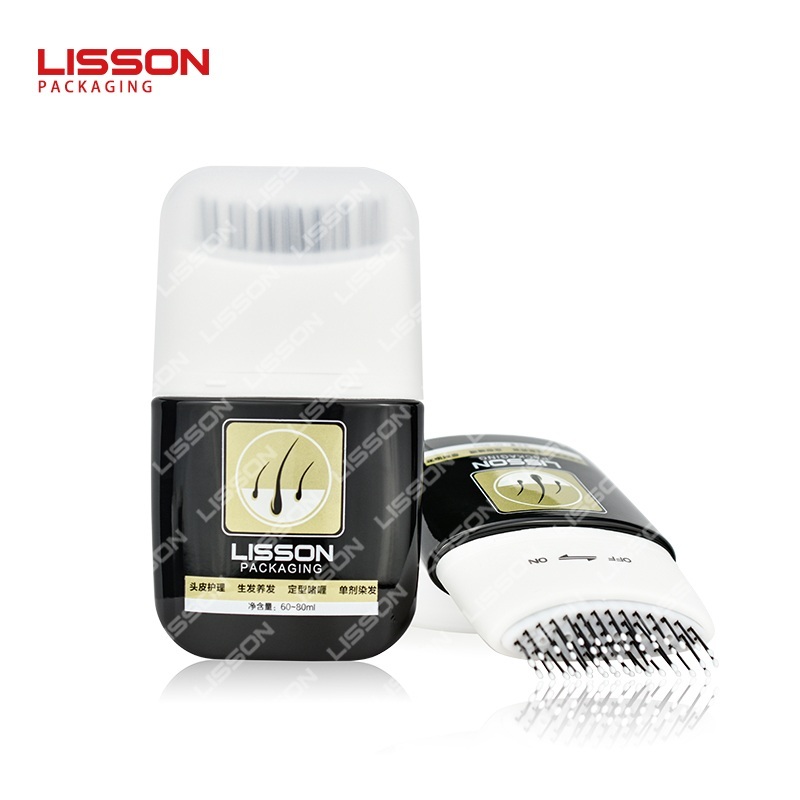
Your formula decides the bottle. A thin serum, a rich oil, and a watery tonic each behave differently inside a container. Start with the product, then work outward to the packaging. This order saves you from costly rework later.
Define Product Requirements
Begin by describing your formula in plain terms. Note its consistency: does it flow like water, drip slowly like a serum, or move thickly like a hair oil? Viscosity governs how the product leaves the bottle. A runny tonic escapes a wide opening too fast. A thick oil stalls inside a narrow one.
Next, list the active ingredients. Some actives react with certain plastics over time. Others need protection from light or air. Record the fill temperature too. A formula poured hot places different demands on a bottle than one filled at room temperature.
Write these traits into a short specification sheet. Include viscosity, active ingredients, fill temperature, and expected shelf life. Hand this sheet to every supplier you contact. A clear brief gets you accurate samples on the first try.
Choose the Right Plastic
Three plastics cover most scalp care packaging. Each one fits a different product profile, and none is universally better.
|
Plastic |
Best Fit |
Key Strength |
|---|---|---|
|
PET |
Serums and tonics |
Lightweight clarity and a premium shelf look |
|
HDPE |
Shampoos and treatments |
Sturdy walls and reliable squeeze performance |
|
LDPE |
Squeezable dispensing |
Soft, gentle pressure on the bottle body |
PET gives you a clear window onto the formula. Buyers see the color and texture of a serum before they open the cap. That transparency supports a premium positioning on the shelf.
An HDPE Squeeze Bottle suits thicker treatments and shampoos. The material holds its shape under repeated squeezing. It also accepts opaque colors, which helps when your formula is light-sensitive.
LDPE bends easily in the hand. You get controlled, low-effort dispensing for products applied directly to the scalp. The softer feel works well for daily-use formats.
Material choice also carries quality implications. Ask each supplier how they verify raw-material consistency across production lots. Lissonbottle runs quality checks on incoming resin and finished bottles, so your tenth order matches your first. Consistent wall thickness and clean molding protect both your formula and your brand reputation.
Choose Applicator and Design
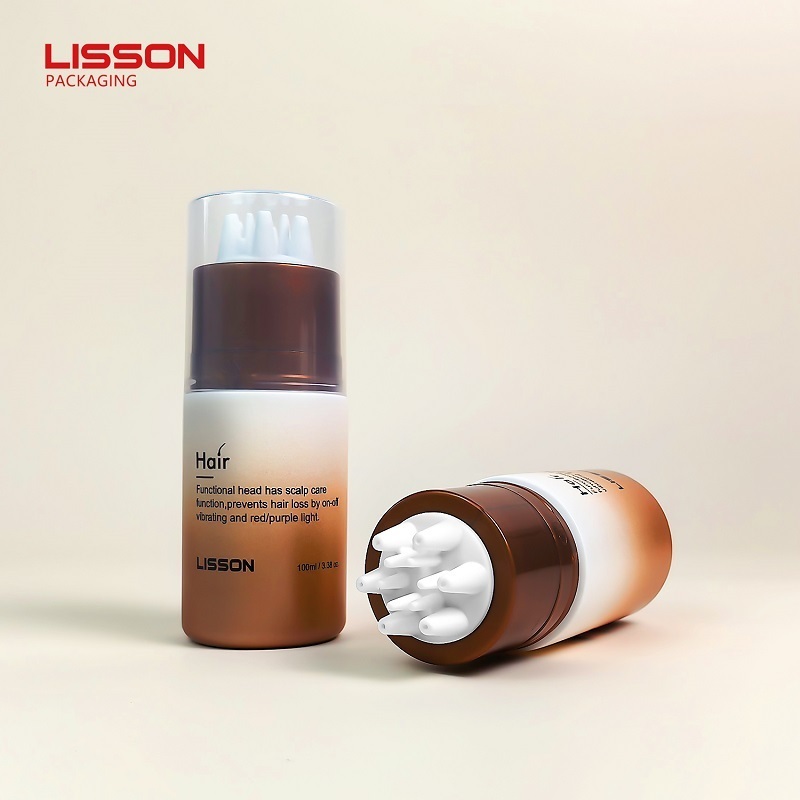
The applicator decides how your formula reaches the scalp. A good match delivers the right dose with little waste. A poor match frustrates buyers on the first use. Treat the applicator as part of the product, not an afterthought.
Compare Applicator Types
Product thickness guides your applicator choice. Thin oils and watery serums flow freely, so they suit a dropper tip. The dropper meters out small, even drops and keeps the rest of the formula inside the bottle. Thick oils move slowly, so they pair well with a comb applicator. The comb parts the hair and lays product along the scalp line in one pass.
Several styles sit between these two poles. A Silicone Scalp Care Applicator Bottle uses a soft silicone head that feels gentle against sensitive skin. Twist-top designs let users open and close the flow with a simple turn, which helps during travel. Slant-tip applicators direct product to a precise spot without touching the scalp. Stainless steel applicator tips offer a smooth, cool contact surface and resist wear over repeated use.
|
Applicator |
Best Fit |
Strength |
|---|---|---|
|
Dropper tip |
Thin oils and serums |
Even, measured drops |
|
Comb applicator |
Thick oils |
Parts hair and spreads product |
|
Silicone head |
Daily scalp treatments |
Gentle, comfortable contact |
|
Twist-top |
Travel and on-the-go use |
Simple flow control |
|
Slant tip |
Targeted application |
Precise placement |
|
Stainless steel tip |
Frequent-use formats |
Smooth, durable surface |
Test each candidate with your actual formula before you commit. Fill a sample, tip it, and squeeze it the way a buyer would. Watch for drips, clogs, and uneven flow. A five-minute trial prevents a season of complaints.
Set Capacity and Shape
Capacity follows usage habits. A 4 oz squeeze bottle is a common bulk size for daily treatments and shampoos. It fits comfortably in one hand and lasts through weeks of regular use. Smaller bottles suit trial sizes and travel kits. Larger formats work for family use and refill routines.
Shape affects grip and shelf presence. A rounded body feels natural in the hand. A flat or oval profile saves shelf space and stands out in a crowded lineup. Consider the cap too. A PE body with a PP cap comb bottle gives you a sturdy, lightweight pairing that holds up in shipping.
Lissonbottle supports customization for logo placement and retail readiness. You can add your brand mark to the body or cap, choose colors that match your line, and prepare artwork for shelf display. A Scalp Care Bottle that looks finished at retail builds trust before the first drop leaves the tip.
Plan Compliance and Branding
Meet Regulatory Standards
Compliance starts with the market you sell into. A scalp care bottle touches the formula directly, so regulators treat it as part of the finished product. Check the rules for every country on your distribution list before you approve a mold.
In the United States, the FDA oversees cosmetics labeling and ingredient disclosure. The EU applies its own cosmetics regulation and expects a documented safety assessment. Both systems care about what the bottle releases into the formula. Ask your supplier for material safety documentation and migration test reports. Lissonbottle provides these records with bulk orders, which shortens your own filing work.
Labeling deserves the same attention. List net content, ingredients, and any required warnings in the format each market demands. Confirm that your chosen decoration method — printing, labeling, or hot stamping — survives contact with the formula and normal handling. A smeared ingredient list fails inspection and erodes buyer trust.
Customize for Your Brand
Customization turns a stock bottle into a product your buyers recognize. Start with color. Match the body and cap to your existing line, or choose a shade that signals the formula inside. A tinted bottle can also shield light-sensitive actives, so color choice serves function as well as style.
Move next to decoration. You can print your logo on the body, emboss it on the cap, or apply a wrap label with usage instructions. Keep the design legible at arm's length on a crowded shelf. Lissonbottle reviews your artwork before production and confirms placement on a physical sample.
Finally, plan the retail package. Decide whether the bottle ships in a carton, a display tray, or a shrink-wrapped multipack. Test one finished unit in your own hands. Open the cap, squeeze the body, and read the label as a buyer would. Small adjustments at this stage cost far less than a reprint after launch.
Source Wholesale & Bulk Plastic Bottles
Evaluate Bulk Supplier Reliability
A reliable supplier protects your launch schedule. Ask each candidate for a sample order first. Check the bottles against your specification sheet. Measure wall thickness, test the cap fit, and fill one bottle with your formula. A supplier who sends accurate samples on the first request usually runs a controlled production line.
Next, question their capacity and communication. Ask how they handle a repeat order and how quickly they answer technical questions. Request references from brands with similar volumes. Confirm their quality process covers incoming resin and finished goods. Lissonbottle documents these checks and shares the records with your order. That transparency lets you plan reorders with confidence.
Balance Cost and Performance
The lowest unit price rarely delivers the best value. A cheap bottle that leaks or clogs costs you returns, refunds, and lost trust. Weigh price against wall consistency, applicator function, and decoration durability. A slightly higher unit cost often pays for itself across a full production run.
Compare quotes on equal terms. Confirm each price includes the cap, the applicator, and your chosen decoration. Ask about minimum order quantities and tooling fees. Volume discounts on Wholesale & Bulk Plastic Bottles reward accurate forecasting, so estimate demand before you negotiate. Lissonbottle helps you size an order that captures savings without tying up cash in excess stock. When you source Wholesale & Bulk Plastic Bottles this way, you balance cost savings with quality and consistency. Request samples from Lissonbottle and compare them against your specification sheet before you commit to a full run of Wholesale & Bulk Plastic Bottles.
Start with your formulation, then work outward: plastic material, applicator type, capacity, compliance, branding, and supplier vetting. Each choice narrows the next, so you build a Scalp Care Bottle that fits your formula and your market.
Sourcing Wholesale & Bulk Plastic Bottles from a reliable partner like Lissonbottle balances cost savings with quality and consistency. You get documented quality checks, accurate samples, and steady reorders.
Ready to move forward? Request samples or a quote from Lissonbottle today and put your Scalp Care Bottle line on the path to launch.
FAQ
Which plastic suits a scalp serum best?
PET gives you clear, lightweight bottles that show off the formula and support a premium look. Choose it for thin serums and tonics. For thicker treatments, an HDPE squeeze bottle holds its shape under repeated use. Lissonbottle supplies all three common plastics, so you can match material to formula.
How do I pick the right applicator tip?
Start with viscosity. Thin oils and watery serums flow well through a dropper tip. Thick oils suit a comb applicator that parts hair and spreads product. Silicone heads, twist-tops, slant tips, and stainless steel tips cover the formats in between. Always test a filled sample with your actual formula before ordering.
What size bottle should I order in bulk?
A 4 oz squeeze bottle is a common bulk size for daily treatments and shampoos. It fits one hand and lasts weeks of regular use. Smaller bottles work for trial and travel sizes. Lissonbottle helps you size an order that captures volume savings without excess stock.
What compliance documents should I request?
Ask for material safety documentation and migration test reports. These records support your FDA or EU cosmetics filing. Confirm your decoration method survives contact with the formula. Lissonbottle provides these records with bulk orders, which shortens your own filing work.
How do I check a supplier before committing?
Request a sample order first. Measure wall thickness, test the cap fit, and fill one bottle with your formula. Ask how the supplier handles reorders and technical questions. Lissonbottle documents incoming resin and finished-goods checks and shares those records with your order.