When choosing packaging for a new product, brands often compare paper tubes and folding cartons. Both are paper-based packaging solutions, but they have different structures, appearance, protection capabilities, and storage requirements. A paper tube offers a distinctive cylindrical shape and a more substantial packaging feel, while a folding carton provides a lightweight, space-efficient format that can be adapted to many retail products.
So, which is better for product packaging? The answer depends on what you are packaging, how the product will be displayed, how much protection it needs, and how the packaging will be transported and stored.
For brands considering custom paper packaging, understanding the differences between paper tube packaging and folding cartons can help avoid unnecessary costs and select a format that supports both product requirements and brand presentation. This guide compares the two options and explains when each one makes sense, with examples from SengKen's published packaging range.
Paper Tube vs. Folding Carton: What Is the Main Difference?
The biggest difference is their physical structure. A paper tube is a cylindrical container made by winding or forming paper layers into a round body. A folding carton is generally produced from a flat paperboard blank that is cut, creased, printed, and folded into a box shape.
Because of this structural difference, the two formats are suited to different packaging situations.
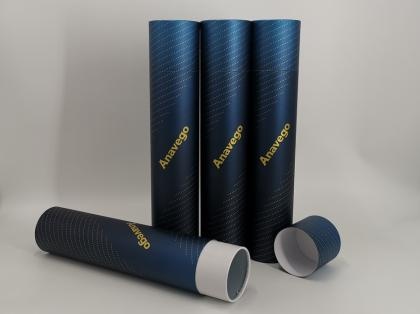
Paper tube packaging: A round packaging format with a cylindrical body and different lid or closure options. Depending on the design, it can use kraft paper, rigid cardboard, composite materials, inner liners, and customized outer printing.
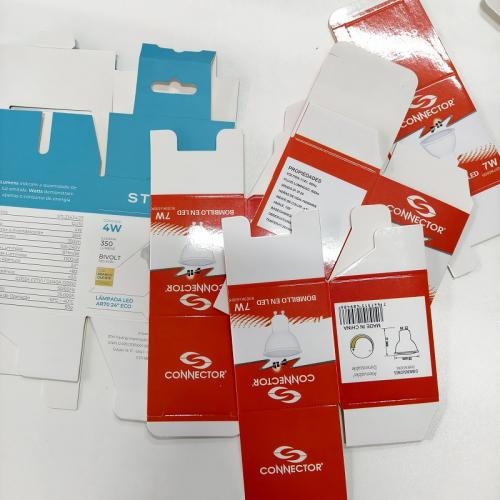
Folding carton packaging: A paperboard box made from a flat die-cut structure that folds into a three-dimensional package. It is commonly used for retail products that need printed branding, product information, and a practical box format.
In simple terms, paper tubes emphasize a cylindrical presentation and a more substantial container structure, while folding cartons emphasize flexible box shapes and efficient flat storage before assembly.
Key Differences Between Paper Tubes and Folding Cartons
Before selecting a packaging format, it helps to compare the factors that affect daily use, product presentation, and supply chain operations.
| Comparison | Paper Tube | Folding Carton |
|---|---|---|
| Structure | Cylindrical paper body | Folded paperboard box |
| Shape | Round or cylindrical | Square, rectangular, or other die-cut shapes |
| Structural feel | Can provide a rigid, substantial container structure depending on wall construction | Depends on paperboard grade, thickness, and box design |
| Storage before assembly | Usually occupies three-dimensional storage space | Flat blanks can be stored efficiently before folding |
| Product presentation | Distinctive cylindrical appearance | Flexible box design with multiple printable panels |
| Typical applications | Tea, coffee, cosmetics, gifts, incense, and selected food products | Retail products, cosmetics, electronics accessories, gifts, and general consumer goods |
| Protection options | Can incorporate reinforced paper layers, inner liners, and different closures | Can incorporate thicker board, inserts, and suitable inner packaging |
These are general packaging characteristics rather than guaranteed performance specifications. Actual strength, protection, and shipping efficiency depend on material selection, dimensions, wall or board thickness, construction, and the finished package design.
Which Packaging Offers Better Product Protection?
Product protection is often one of the first considerations for packaging buyers. However, neither paper tubes nor folding cartons are automatically stronger in every situation. Their performance depends on how they are constructed and what type of product they need to protect.
Paper Tubes for Rigid Cylindrical Packaging
A well-designed paper tube can provide a stable cylindrical structure. Multiple paper layers and a suitable wall thickness can help the container resist everyday handling pressure and maintain its shape. The round body can also be useful for products that naturally fit a cylindrical package.
For example, SengKen's Rolled Edge Paper Tube range features a round paper body with a rolled rim. The category describes a sturdy structure and customizable sizes, logos, and patterns. Depending on the product design, different lid and inner material options can also be considered.
For products requiring additional protection, the package may be designed with suitable inner inserts or liners. SengKen's published product specifications list insert materials such as EVA, pearl cotton, PE foam, sponge, cardboard, and plastic trays for selected packaging designs.
Folding Cartons for Lightweight Retail Packaging
Folding cartons can provide practical protection for many lightweight consumer products, particularly when the box is designed with the right paperboard thickness and internal dimensions. They can also be combined with inserts or other protective packaging components when the product needs extra support.
For fragile products, the key is not simply choosing a thicker carton. The internal fit, product movement, cushioning, and outer shipping packaging all need to be considered. A folding carton may work well as the primary retail package while requiring an additional shipping carton for transportation.
In general, paper tubes are worth considering when a rigid cylindrical container is preferred. Folding cartons are often a practical option when a lightweight, foldable box structure meets the product's protection requirements.
Which Is Better for Branding and Product Presentation?
Packaging is not only used to contain a product. It also influences how customers perceive a brand before they even open the package. Both paper tubes and folding cartons offer opportunities for custom printing and visual branding, but they create different presentation experiences.
Paper Tubes Create a Distinctive Cylindrical Look
The rounded shape of a paper tube gives brands a different visual identity from conventional rectangular boxes. Its curved outer surface can display logos, product graphics, patterns, and brand colors around the container.
Paper tubes can also be designed with different lid styles, decorative paper, and surface finishes. SengKen's published product details list printing options such as CMYK and Pantone colors, as well as matte or gloss lamination, varnishing, spot UV, hot foil stamping, and glittering for selected products.
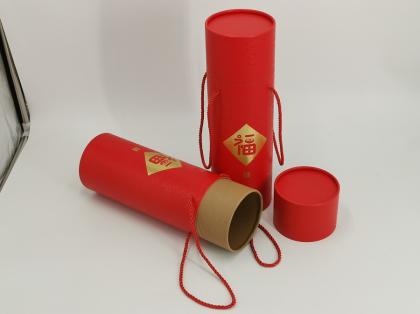
A good example is SengKen's Round Painting Packaging Rolled Edge Paper Cardboard Tube with Rope. Its published product description specifies a printed red art paper exterior, brown kraft paper interior, and rope handle. The design is intended for gifts, presents, and painting packaging.
Folding Cartons Offer Flexible Graphic Layouts
Folding cartons provide multiple flat panels for presenting product information, logos, images, instructions, and promotional messages. This makes them practical for products that require detailed labeling or a consistent retail display format.
They can also be designed in different box styles, including tuck-end boxes, folding gift boxes, book-style structures, and other customized formats. SengKen's Foldable Gift Packaging Box category lists options such as white card boxes, folding gift boxes, book-shaped boxes, magnetic folding boxes, and folding cosmetic packaging boxes.
For brands that need a conventional retail carton or a custom folding gift box, this format can provide more flexibility in box geometry and panel layout.
Paper Tube vs. Folding Carton: Which Is More Cost-Effective?
Packaging cost should be evaluated beyond the unit price. Material usage, manufacturing processes, assembly requirements, storage space, shipping volume, and the level of protection required can all influence the total packaging cost.
Folding cartons may be more cost-effective when:
- The product is lightweight and does not require a thick rigid container.
- Packaging needs to be stored flat before assembly.
- Large quantities of standard retail boxes are required.
- The product needs a conventional rectangular package with printed information panels.
Paper tubes may be more suitable when:
- The brand wants a distinctive cylindrical packaging format.
- The product naturally fits a round container.
- A more substantial paper-based container is preferred.
- The design requires a specific lid, liner, or insert configuration.
- The packaging itself is an important part of the product's gift or retail presentation.
One important point is that paper tubes generally take up more space than flat folding carton blanks before use. This can affect warehouse storage and transportation costs. However, the actual comparison depends on the dimensions, packaging quantity, shipping method, and whether the tubes are shipped assembled or in another configuration.
For an accurate cost comparison, buyers should request quotations based on the same product dimensions, printing requirements, order quantity, and delivery terms.
Which Packaging Is Better for Different Products?
The most practical way to choose between paper tubes and folding cartons is to consider the product category and how the package will be used. The following examples provide a starting point for packaging decisions.
Tea and Coffee Packaging
For tea and coffee brands looking for a cylindrical container, paper tubes can provide both product containment and a distinctive shelf appearance. Depending on the contents and storage requirements, the structure may include an aluminum foil liner, a suitable closure, and a paper-based outer layer.
SengKen's published Good Airtight Paper Canister range is relevant to this type of application. The company's paper can products include tea and coffee packaging structures with different inner materials and closure options. The exact combination should be selected according to the product's barrier and sealing requirements.
Cosmetics and Personal Care Products
Cosmetics packaging needs to balance appearance, product fit, and protection. Paper tubes can be used for selected cosmetic containers and gift packaging, while folding cartons are useful when a product needs a rectangular outer box with printed instructions or product details.
For premium cosmetic gift sets, a paper tube may create a distinctive presentation. For products that need a more conventional retail package, a folding carton can be easier to integrate into existing display and distribution systems.
Gift and Promotional Packaging
Both packaging formats can be used for gifts, but they create different visual impressions. Paper tubes are suitable for cylindrical gift packaging, while folding gift boxes can support book-style, magnetic, or other box structures.
For brands that want a more elaborate gift presentation, SengKen also offers Non-Foldable Packaging Box options. These are another packaging format to consider when a rigid gift box is more appropriate than either a standard paper tube or a folding carton.
Posters, Artwork, and Long Products
Long or rolled products are often better suited to cylindrical packaging than conventional rectangular folding cartons. A paper tube can provide a practical container shape for posters, paintings, and similar items that need to be rolled for storage or shipping.
SengKen's Posters Packaging Shipping Paper Tube is a published example. Its product specification lists a kraft paper core, inner coated aluminum foil liner, rigid grey cardboard, and a printed outer paper layer. The product page describes it as suitable for posters and paintings packaging.
How to Choose the Right Packaging for Your Product
If you are still deciding between a paper tube and a folding carton, consider the following questions before confirming your packaging design.
- What is the product's shape? Cylindrical or rolled products may fit paper tubes more naturally, while products with rectangular dimensions may be easier to package in folding cartons.
- How much protection is required? Consider product fragility, stacking pressure, handling conditions, and transportation risks.
- Does the product need an inner liner? Food, tea, coffee, and other sensitive products may require specific inner materials and suitable closures.
- How important is shelf presentation? Consider whether a cylindrical appearance or a conventional retail box better represents the brand.
- How will the packaging be stored? Flat folding cartons can save space before assembly, while finished paper tubes need three-dimensional storage space.
- What is the target order quantity? Compare production costs, setup requirements, minimum order quantities, and shipping costs.
- Does the package need inserts or special closures? These design details can influence the final structure and cost.
It is also worth requesting samples before mass production. Testing the packaging with the actual product can help confirm dimensions, fit, opening experience, stacking behavior, and protection during handling.
Custom Paper Tube and Folding Carton Packaging from SengKen
Different products require different packaging structures. Some brands need a cylindrical container with a customized liner and lid, while others need a folding carton with a specific box shape, printing layout, or internal insert.
SengKen's published product range includes customized cylinder paper tube packaging, rolled edge paper tubes, paper canisters, shaker lid paper tubes, and foldable gift packaging boxes. The company's product categories also include non-foldable gift boxes and other packaging formats for different applications.
For paper tube projects, buyers can discuss the diameter, height, paper materials, inner liner, lid configuration, printing, and surface finishing. For folding carton projects, the box dimensions, paperboard material, folding structure, artwork, and internal protection requirements should be confirmed.
As a packaging supplier, SengKen describes its services as including customized paper tube packaging and packaging box solutions. To explore the available options, visit the Cylinder Paper Tube Packaging range or discuss your requirements for a custom folding box.
The best packaging is not necessarily the most elaborate or expensive one. It is the format that protects the product appropriately, supports the brand's presentation, and fits the practical requirements of manufacturing, storage, and distribution.
If you are comparing paper tubes and folding cartons for an upcoming project, contact SengKen with your product dimensions, application, and packaging preferences to discuss a suitable solution.
Frequently Asked Questions About Paper Tubes and Folding Cartons
What is the main difference between a paper tube and a folding carton?
A paper tube is a cylindrical paper-based container, while a folding carton is a box made from a flat paperboard blank that is cut, creased, and folded into shape. Paper tubes provide a distinctive round format, while folding cartons offer flexible box designs and efficient flat storage before assembly.
Are paper tubes stronger than folding cartons?
Not in every situation. A multi-layer paper tube can provide a rigid cylindrical structure, but folding carton strength depends on the paperboard grade, thickness, and box design. The better option depends on product weight, stacking conditions, handling, and transportation requirements.
Are paper tubes more expensive than folding cartons?
The cost depends on material usage, dimensions, construction, printing, order quantity, storage, and shipping. Folding cartons can be economical for lightweight products and flat storage, while paper tubes may be suitable when a cylindrical structure or specific inner liner and closure are required. A quotation based on the same specifications is the best way to compare costs.
Can paper tubes be used for food packaging?
Yes. Paper tubes can be designed for selected food packaging applications with appropriate inner materials and closures. The complete packaging structure must be suitable for the intended food-contact application, and buyers should confirm the relevant material specifications and compliance documents.
Are folding cartons suitable for fragile products?
Folding cartons can package many fragile products when the paperboard structure and internal inserts provide adequate support. For delicate items, additional cushioning or an outer shipping carton may be needed to reduce movement and impact during transportation.
Which packaging is better for tea and coffee?
Paper tubes are a suitable option for brands that want cylindrical tea or coffee packaging. Depending on the product, they can incorporate inner liners and suitable closures. Folding cartons can also be used as outer retail packaging or gift boxes, but the product may need a separate inner bag or container for freshness protection.
Can paper tube packaging and folding cartons be customized?
Yes. Paper tubes can be customized in diameter, height, paper materials, inner liners, lids, printing, and surface finishes. Folding cartons can be customized in dimensions, paperboard, box structure, printing, and inserts. The available options depend on the selected packaging design and production requirements.
Which packaging takes up less storage space before use?
Folding carton blanks generally take up less space before assembly because they can be stored flat. Finished paper tubes occupy three-dimensional space. However, the actual storage and shipping comparison depends on packaging dimensions, packing methods, and order volume.