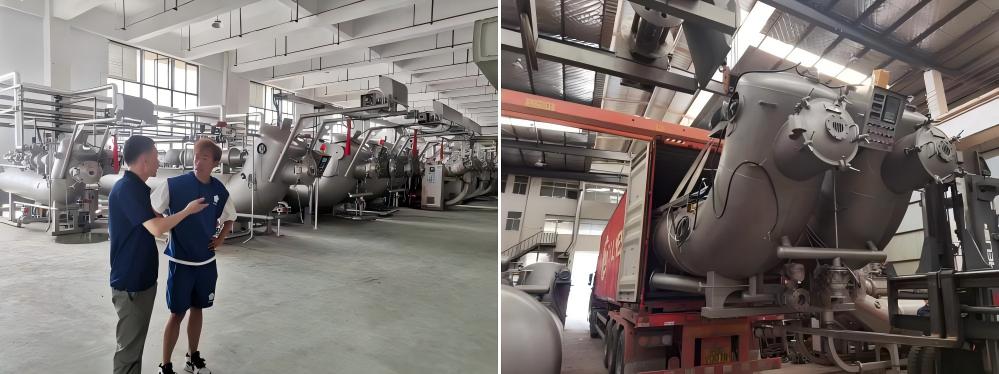
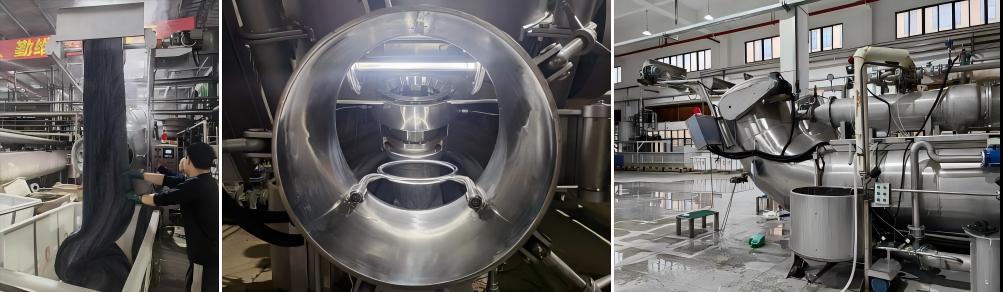
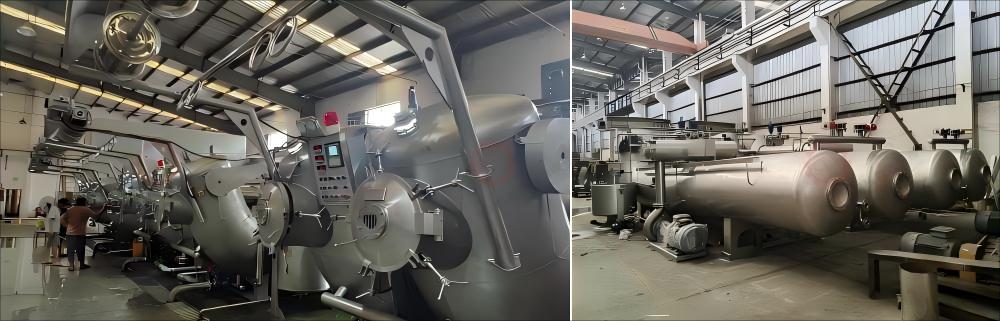
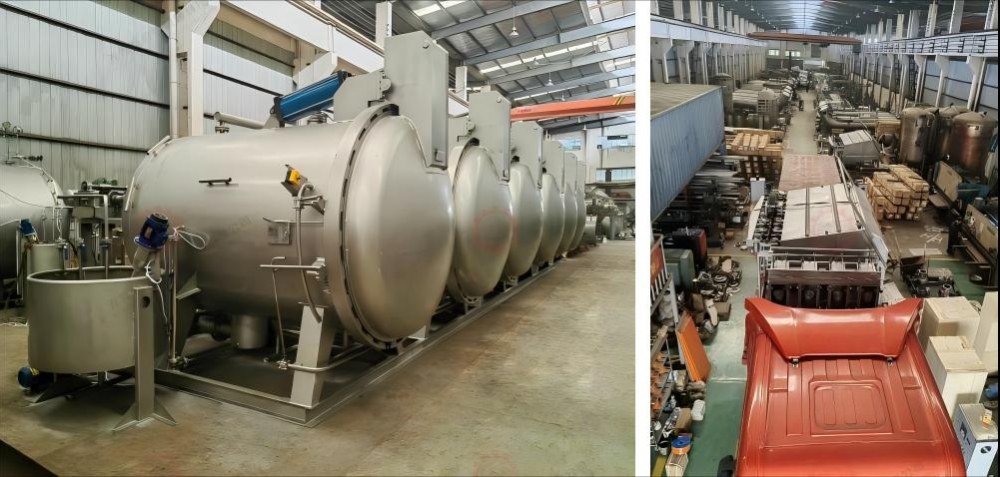
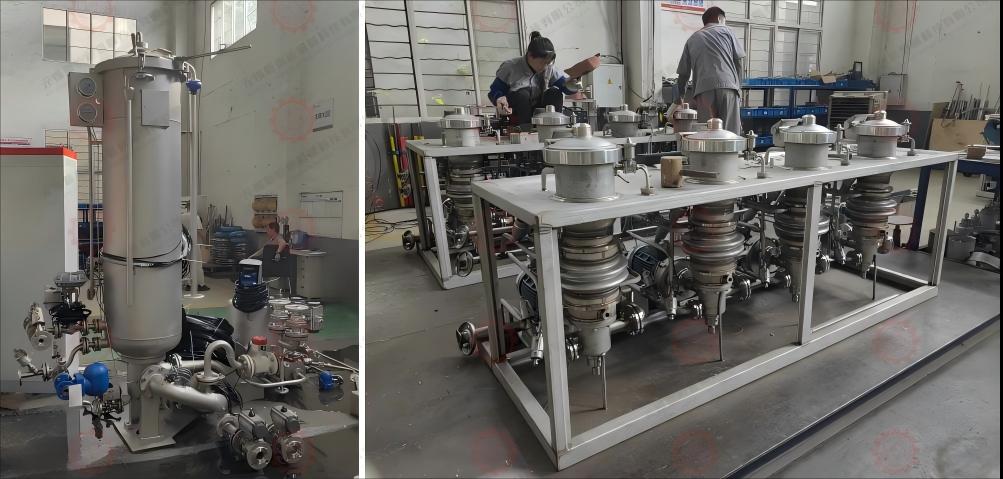
What is the long tube overflow jet fabric dyeing machine?

Long Tube Overflow Jet Fabric Dyeing Machine: Defining the Modern, High-Efficiency Solution for Gentle Fabric Processing


Long tube overflow fabric dyeing machineFabric dyeing machine, as prime example of combined overflow and jet dyeing technology. It has become essential machine for processing high-end and delicate fabrics(eg. knit and woolen). It facilitates thorough interaction between fabric and dye liquor under low-tension condition, striking an optimal balance between dyeing quality and production efficiency, which makes it is pivotal choice for modern dye house upgrades.


fabric dyeing machine


Core Advantages: Why It Becomes Preferred Choice for High-Quality Dyeing

Inherent value of long tube fabric dyeing machine lies in integrated advantages afforded by its distinct working principle. Designed to optimize dyeing result while also addressing diverse production challenge.


1. Superior Dyeing Quality & Fabric Protection

When fabric dyeing equipment during dyeing processing, fabric circulates as a relaxed rope form with minimal mechanical tension. This "gentle shower" approach excellently preserves loftiness of knits, stretch of elastic fabric and natural hand-feel of woolen fabric, preventing defects caused by stretching or distortion. Uniform liquor exchange ensures exceptional color levelness and reproducibility, minimizing batch-to-batch differences.


2. Extensive Process Adaptability & Flexibility

This type machine has good fabric compatibility. By adjusting nozzle size, liquor jet pressure and lifter reel speed, one machine can process fabric ranging from 30g/m² sheer chiffon to 1500g/m² heavy velour safely and efficiently. It can handle various fibers of fabric—from nature(eg. cotton, linen and etc.) to synthetics (eg. polyester, nylon, etc.). It is particularly well-suited for flexible production model involving diverse product type and small batch size.


3. Significantly Improved Operational Efficiency & Sustainability

Modern versions of this type fabric dyeing machinery are models of high efficiency and energy saving. A key breakthrough is drastic reduction in liquor ratio ( dye liquor to fabric) from traditional 1:20-1:30 to 1:5 or less. Low ratio indicates water savings exceeding 50% directly. With proportional reduction in dye, chemical and wastewater treatment cost. Coupled with high efficient heating exchanger and intelligent temperature control, decrease consumption of steam and shorten dyeing cycles, boosting both profitability and environmental performance.


fabric dyeing machine


Technical Evolution & Selection Guide: From Principle to Practice

Understanding its technological progression and key components is crucial for informed decision-making. The history of long tube overflow dyeing machine is continuous evolution toward gentler, more efficient and smarter processing.


Technical Evolution: Path of Continuous Optimization

  • Early Stages (Mid-20th Century): Overflow dyeing machine and jet dyeing machine developed separately, the former with high liquor ratio and low tension, the later with lower ratio but higher mechanical impact.
  • Integration & Mainstream Adoption (1970s - Present): Long tube fabric dyeing machine combined the advantages of overflow and jet type, reducing liquor ratio to 1:7-1:10 with enhanced adaptability.
  • Modern Leap: Through fluid dynamics optimization and smart control, the liquor ratios is decreased as 1:5, reduced energy consumption significantly. Intelligence has become a standard configuration.


Critical Components & Selection Criteria

When evaluating fabric dyeing equipment, focus on these core parts, which determine performance:


  • Nozzle System ("Heart"): An optimal nozzle offers wide adjustability and scientific hydrodynamic design to ensure precise liquor delivery and traction for all fabric, from light to heavy.
  • Lifter Reel Assembly ( "Auxiliary Engine"): Its synchronization with the liquor jet is vital. Precise speed control enables gentle fabric handling, preventing slippage or excessive friction.
  • Intelligent Control System ( "Brain"): An advanced system accurately governs temperature, fabric speed, and pressure. It transforms complex craft knowledge into stable digital models, reducing reliance on operator skill and ensuring reproducibility.


Prioritize low liquor ratio (1:5-1:7), adjustability and reliability of core components and level of automation in the control system—these are foundational to the machine's long-term value and return on investment.


Rational Reflection: Challenge, Collaboration and Optimal Performance

No machine is perfect. Acknowledging its boundaries and challenges and cooperating with reliable dyeing machine manufacturer, are keys to success.


Inherent Challenges

  • Process Complexity: Reaching its full potential still requires deep understanding of fabric properties, dye chemistry and parameters of machines. Fine-tuning is essential to avoid rope marks, abrasion or uneven dyeing.
  • Initial Investment: Advanced, low-ratio and intelligent machines require a higher upfront cost than traditional model. However, savings in water, energy, steam and chemicals during operation typically ensure reasonable payback period.
  • Energy Consumption Focus: While relatively efficient, its main circulation pump and heating system remain the key energy consumption parts in dyeing factory. Consequently, consumption of energy performance become vital for the equipment.


Collaborative Value with Wuxi Shin Tong Yunn Machinery Technology Co., Ltd.

Partnering with a technically proficient dyeing machine manufacturer focused on continuous innovation is very important. Superior dyeing machine supplier acts as production partner by:


  • Providing in-depth process support to help clients translate equipment performance into consistent product quality.
  • Offering verified process recommendations for different fabrics based on rich application data, shortening commissioning time.
  • Ensuring long-term reliability and maintainability of key components, guaranteeing sustained high performance throughout the machine's lifecycle.


Long tube overflow jet fabric dyeing machine has evolved from a niche option to a standard for modern and high-quality dyeing production. It represents the industry's direction toward flexible, efficient and green manufacturing through precision engineering. For dyeing enterprises aiming to enhance product value, adapt to fast fashion supply chains or practice sustainable production, investing in this technology is more than equipment upgrade—it's a strategic step toward future-ready manufacturing. Understanding its principles, carefully evaluating your product mix and cooperating with trustworthy dyeing machine manufacturer are three crucial steps to success.

Contact us

How dyeing processes affect cost control and quotation accuracy?

Fabric specification calculation is a core process linking design, production and trading. For fabric designers, it provides scientific basis,guiding factory production; For sales department, it is an essential tool for client communication, quotation and cost control. Mastering this skill, being able to quickly calculate product cost, provide accurate & timely quote and  identify key cost factors precisely. Within entire fabric preparation workflow, dyeing process Press here, contact us as one of the critical step affecting fabric quality and specification, influences the accuracy of all calculation parameters directly.


Link Between Raw Material Quantity Calculation and Dyeing Process

First step of fabric specification calculation is determining raw material quantity, which involves various process shrinkage rate, such as fiber shrinkage, twist shrinkage and weaving shrinkage. Many of these are closely related to dyeing and finishing process. For example:


Raw Material Shrinkage: Different fibers behave differently during dyeing. Cellulosic fiber like cotton, linen or viscose, may have shrinkage about 2% after dyeing or bleaching, while synthetic fiber like polyester filament is significantly affected by heat-setting processes.


Dyeing and Finishing Shrinkage: The ratio between greige fabric length and finished fabric length, directly determined by dyeing and finishing processes. Stable dyeing process effectively controls shrinkage variation, ensuring fabric weight, width and other related specifications meet design expectation.


If temperature, tension or time is not controlled properly during dyeing, shrinkage rate can deviate from expectation. It affects whole batch's material calculation, leading to cost errors or quality issues. This is precisely why textile manufacturers need high-performance, controllable yarn and fabric dyeing equipment to ensure process consistency.


Fabric Weight Calculation: Key Role of Dyeing and Finishing 

Formulas for calculating finished fabric weight per meter and GSM, refining weight loss ratio and dyeing & finishing shrinkage rate are two crucial variables. Refining weight loss ratio reflects weight loss of fibers during dyeing and finishing (e.g., ~75–80% for silk, ~99% for synthetics). Dyeing and finishing shrinkage rate is directly related to length change between greige and finished fabric.


This data is not only used to calculate weight but also forms basis for cost quotation. If dyeing stage is unstable, weight loss ratio and shrinkage rate will fluctuate. This can cause fabric weight to fall outside acceptable tolerances in mass production, impacting customer trust and profit margins directly. Therefore, investing in precise and repeatable yarn and fabric dyeing machinery is key to achieving standardized fabric specification.


How Dyeing Processes Affect Component Ratio Calculation in Multi-Fiber Fabric?

For blended or interwoven fabric, different fibers exhibit vastly different dyeing behaviors. For instance, when silk/linen blended yarn is interwoven with viscose yarn, the dye uptake, shrinkage and weight loss ratio must be precisely managed during dyeing due to their different fiber compositions. As shown in the example as below, calculating the percentage of each component relies on its specific weight loss ratio and process shrinkage. These parameters must remain stable throughout the dyeing process to ensure the final composition matches the design.


For fabrics woven or blended from two or more types of raw materials, it is essential to calculate the proportion of each material. The calculation method is as follows:

Content of Material A = (Weight of Material A × Proportion of Material A × Refining Yield of Material A) ÷ (Weight of Material A × Refining Yield of Material A + Weight of Material B × Refining Yield of Material B) × 100%


Example:

A product uses warp yarn of 120N/2 silk-linen blended yarn (70% silk, 30% linen) and weft yarn of 40S/2 bright rayon yarn.

Finished fabric width: 140 cm, plain weave

Finished warp density: 28 ends/cm, finished weft density: 24 picks/cm, greige fabric weft density: 23 picks/cm


Considering various factors, the estimated weaving shrinkage is about 5%, silk process shrinkage is 2.5%, weft width shrinkage is about 10%, and viscose staple fiber process shrinkage is 2.0%.


Warp yarn quantity (g/m) = Finished warp density × Finished fabric width × (1 + Process shrinkage) × (1 + Weaving shrinkage) × Yarn fineness ÷ 9000

= 28 × 140 × (1 + 5%) × 1/60

= 65 g/m


Weft yarn quantity (g/m) = Finished weft density × Finished fabric width × (1 + Weft weaving shrinkage) × (1 + Process shrinkage) × Yarn fineness ÷ 9000

= 140 × 24 × (1 + 10%) × 0.59/20

= 109 g/m


Finished fabric weight per meter (g/m) = (Warp yarn quantity × Refining yield + Weft yarn quantity × Refining yield) ÷ Dyeing and finishing shrinkage

= (65 × 0.95 + 109 × 0.97) ÷ 0.96

= (61.8 + 105.7) = 167.5 ≈ 168 g/m


Fabric weight per square meter (g/m²) = Weight per meter ÷ Fabric width

= 168 ÷ 1.4

= 120 g/m²


Among these:

Silk content = (Weight of silk component × Silk proportion × Silk refining yield) ÷ (Weight of silk component × Refining yield + Weight of rayon yarn × Refining yield)

= (65 × 0.7 × 0.95) ÷ (70 × 0.95 + 109 × 0.97) × 100%

= 43.2 ÷ 167.5 × 100%

= 26%


Linen content = (Weight of linen component × Linen proportion × Linen refining yield) ÷ (Weight of linen component × Refining yield + Weight of rayon yarn × Refining yield)

= (65 × 0.3 × 0.95 × 100%) ÷ (65 × 0.95 + 109 × 0.97)

= 18.5 ÷ 167.5 × 100%

= 11%


Rayon content = (Weight of rayon yarn × Rayon refining yield) ÷ (Weight of warp yarn × Refining yield + Weight of rayon yarn × Refining yield)

= (109 × 0.97 × 100%) ÷ (109 × 0.97 + 65 × 0.95)

= 105.73 ÷ 167.5 × 100%

= 63%


From the above calculations, warp yarn quantity of the product is 65 g/m and weft yarn quantity is 109 g/m. Based on this, adding a certain percentage of waste yarn according to the product process, combined with the market price of raw material, provides relatively accurate raw material cost. Adding weaving and dyeing processing costs shows the base price of product.


This requires consider select appropriate textile dyeing equipment. For example:

Yarn Dyeing Machine: Used for yarn-dyed fabrics, allowing pre-dyeing of warp or weft yarns to ensure color uniformity and shrinkage control.

Hank Dyeing Machine: Often used for yarns like wool or cotton that require gentle handling, better preserving yarn elasticity and hand-feel.

Fabric Dyeing Machine: Used for piece dyeing of finished fabrics (open-width or rope form), effectively controlling width and weight variation.


Why Choose Professional Dyeing Machine Manufacturer?

As one of factories specializing in dyeing equipment manufacturing, Wuxi Shin Tong Yunn Machinery Technology Co., Ltd understands the impact of dyeing processes on fabric specification stability. Our dyeing machines, from yarn to fabric dyeing, is designed to deliver:


  • Precise control of process parameters, helping customers stabilize shrinkage and weight loss ratios.
  • Energy and resource efficiency, reducing consumption of dyes, water and energy, thereby indirectly optimizing fabric costs.
  • Automated and intelligent operation, minimizing human error and improving batch-to-batch consistency.


Whether the need is for hank dyeing solution or high-efficiency fabric dyeing machine, as reliable dyeing machine manufacturer, we provide customized dyeing machine and process support. We ensure every stage from raw material to finished product meets specification requirements, helping our clients improve quotation accuracy and market competitiveness.


While fabric specification calculation involves numerous parameters and formulas, it relies on precise control fundamentally at every production stage—especially dyeing process. By using stable and advanced dyeing equipment, manufacturers not only ensure reliable fabric quality but also control costs at the source, enabling more accurate pricing and efficient production management. As dyeing equipment manufacturer in textile industry, we are committed to supporting global textile companies with our expertise and reliable products.


This article is supported by Wuxi Shin Tong Yunn Machinery Technology Co., Ltd. We are dedicated to developing efficient and precise dyeing machinery, including yarn dyeing machine and fabric dyeing machinepress here, showing fabric dyeing machine, helping textile companies achieve process standardization and cost optimization.


Choose Sustainable Style with Disposable Wooden Cutlery Sets

When planning a party, outdoor BBQ, or large gathering, disposable tableware is often the easiest solution — but that doesn’t mean you must give up on environmental responsibility. Our Biodegradable Wooden Utensil Disposable Cutlery Set offers a perfect balance of convenience, safety, and eco-consciousness. Made from food-safe, natural wood, this cutlery set gives you a reliable and stylish alternative to plastic forks, knives, and spoons.


Unlike plastic cutlery that can linger in landfills for centuries and release harmful microplastics, wooden utensils decompose naturally within months or even weeks, depending on composting conditions.

Because wood is a renewable resource—often sourced sustainably—choosing wooden cutlery helps reduce reliance on fossil-fuel based plastics and lowers overall carbon footprint.


But sustainability isn’t the only advantage. Disposable wooden cutlery is typically sturdy, heat-resistant, and safe to use even with hot or heavy dishes.

Their natural texture and warm, earthy look also add a rustic, elegant touch to any event — from casual picnics to festive dinners.


By incorporating these wooden utensils into your packaging offerings or event supplies, you not only offer convenience and hygiene — you also send a strong message of environmental responsibility. Embrace the future of sustainable dining with our disposable wooden cutlery sets and help make every meal a step toward a greener planet.

Elegant and Practical 14oz Plastic Striped Stemless Wine Glasses

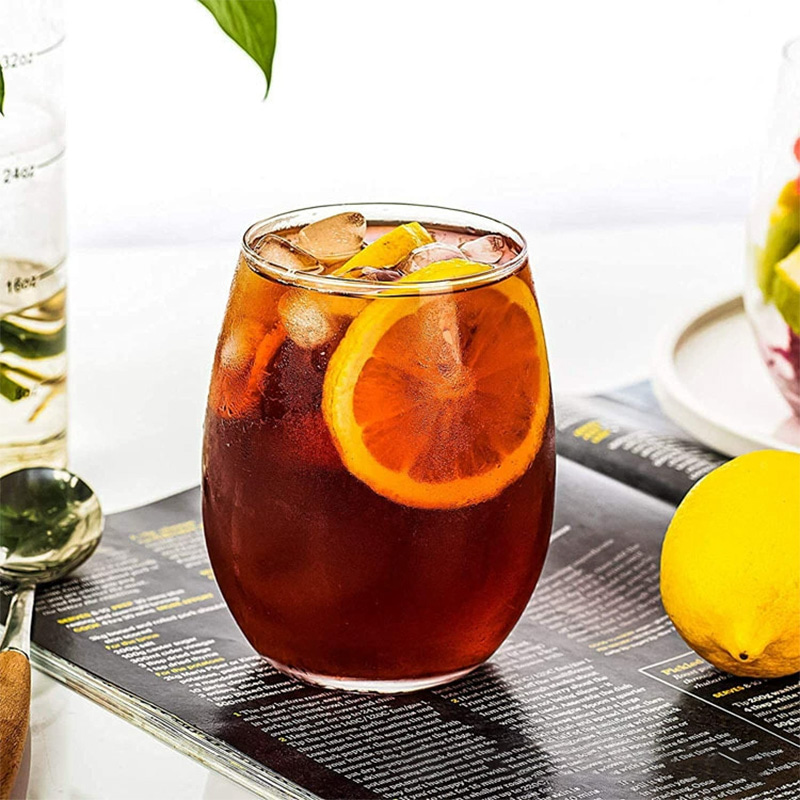
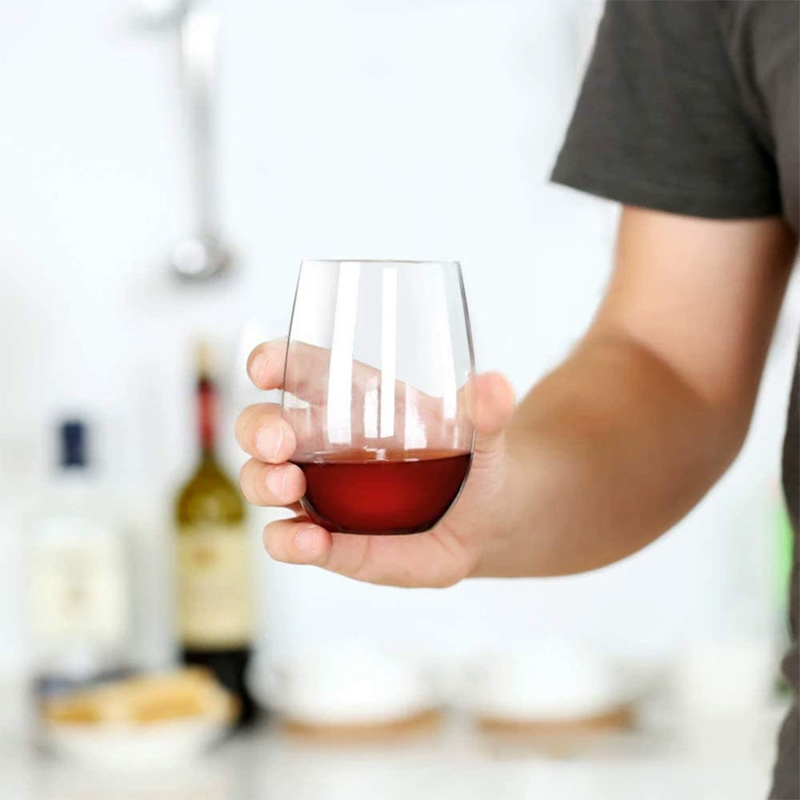
Whether you’re hosting a party, outdoor gathering, or special event, drinkware should combine style with durability. The 14oz Plastic Striped Stemless Wine Glass offers a modern, elegant look while delivering the convenience of reusable plastic.  Designed for red wine, whiskey, and a variety of spirits, this stemless cup features a textured striped design that enhances grip and adds a sophisticated touch to any occasion.


Plastic Reusable Stemless Wine Cup


Crafted from high-quality, food-grade plastic, these glasses are lightweight, shatter-resistant, and perfect for both indoor and outdoor use. Unlike traditional glassware, they reduce the risk of breakage while maintaining a premium appearance.  Their generous 14oz capacity makes them ideal for wine tastings, cocktails, or casual drinks at parties, weddings, picnics, and poolside events.


The stemless design not only looks contemporary but also provides greater stability and ease of storage. Easy to clean and reusable, these plastic wine and spirits cups are a practical solution for businesses, event planners, and households looking for stylish yet functional drinkware.  They deliver the perfect balance between aesthetics and convenience.


Plastic Whisky Glasses


At Biosettings, we focus on offering thoughtfully designed products that elevate everyday experiences. From reusable drinkware to eco-conscious dining solutions, Biosettings is committed to quality, functionality, and modern design.

Stylish Durability Meets Everyday Drinkware Reusable Tritan Wine & Whiskey Cups

When it comes to entertaining or serving drinks in a busy bar, restaurant, or home setting, you need drinkware that looks elegant but can handle real-world use. The **Reusable Tritan Wine & Whiskey Glass** from Biosettings strikes that perfect balance. Crafted from premium **Tritan plastic**, this stemless cup offers the clarity and graceful silhouette of traditional glass while providing the toughness and reliability of high-performance materials — ideal for wine, whiskey, cocktails, and more. 


One of the key advantages of Tritan drinkware is its **unbreakable and dishwasher-safe design**. Unlike fragile glass that chips or shatters easily, Tritan resists impact and everyday wear, helping reduce replacement costs and cleanup headaches. Its crystal-clear transparency lets you showcase the rich colors of red wine, amber whiskey, or mixed drinks without sacrificing aesthetic appeal. 

  • reusable tritan stemless wine glasses
  • unbreakable plastic whiskey cups BPA free
  • stemless plastic wine glasses


Beyond durability, Tritan is prized for being **BPA-free and taste neutral**, meaning it won’t impart unwanted flavors or odors into your beverages. This makes it a safe and versatile choice for hospitality venues, home bars, outdoor patios, and events where guests expect quality drinking experiences without the worry of breakage. And because you can reuse these glasses again and again, they represent an eco-friendlier alternative to disposable cups or frequent replacements. 


At **Biosettings**, we’re committed to offering products that combine practical innovation with everyday style. Our **plastic reusable Tritan wine glasses and whiskey cups** reflect this commitment — delivering a premium drinking experience that’s durable, safe, and built for modern living. Choose Biosettings for drinkware that looks great, performs reliably, and aligns with your lifestyle or business needs.


How to Achieve Ideal Color Effect and the Key Role of Dyeing Equipment? Analysis of Dyeing Challenges for Three-Component Fiber


Ultimate Guide to Dyeing Three-Component Fibers: Unlocking Complex Fabric Color Effects and Strategic Timing Choices


Amidst the wave of innovation in textile industry, three-component fiber fabrics have emerged as representatives of high-end products due to their exceptional performance and unique style. However, these fabrics encounter technical challenges during the dyeing process—such as diverse fiber combinations, complex blending ratios, variations in dyeing properties and unavoidable cross-staining issues—make dyeing process exceptionally intricate and difficult to control in terms of color result. This article will analyze the core challenges of dyeing three-component fiber and explore how to transform these challenges into competitive advantages through precise selection of dyeing stage and textile dyeing machine.
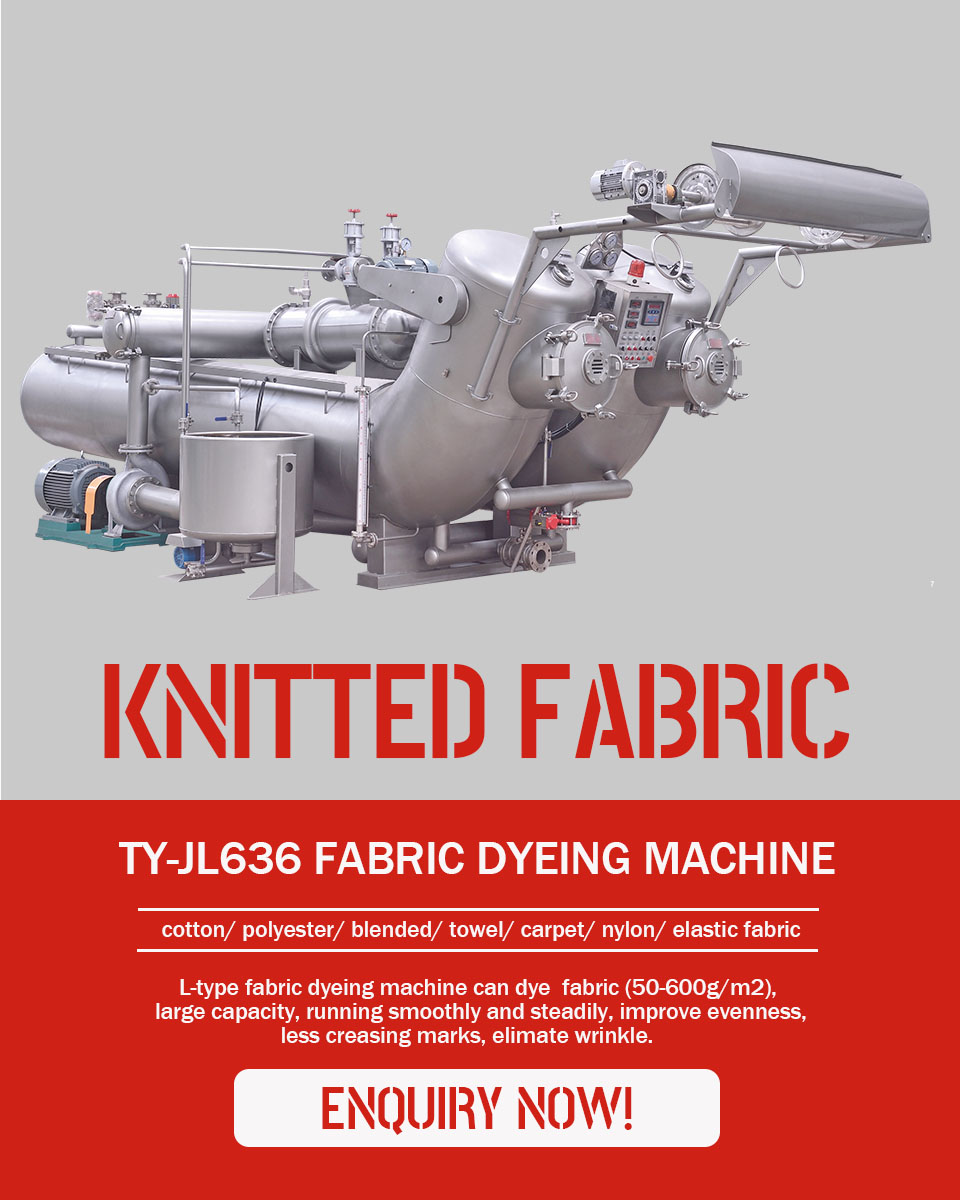
 

fabric dyeing machine


Why Is Dyeing Three-Component Fiber So Challenging?

Dyeing of three-component fiber textile is significantly more complex than traditional two-component fabric, primarily due to three core challenges as below:

Chemical compatibility conflict: Three types of fiber often require three different classes of dyes (e.g., disperse, cationic and acid dyes). These dyes may interact with one another in the dye bath, leading to reduced color purity.

Difficulty in controlling cross-staining: Staining of dyes on non-target fiber can blur color boundaries, making it hard to achieve clear solid or contrast color effect.

Conflicting process condition: Different fiber has optimal dyeing temperature, pH level and duration. Finding balance among these is like walking tightrope.


Analysis of the Four Major Dyeing Effects

Solid Color Effect – Different fibers exhibit similar hue, lightness and chroma

Differences in fiber gloss and light transmittance can significantly affect the final result.  


The most challenging part of solid dyeing is for two-component textiles containing polyester dyed with disperse dyes and other disperse-dyeable fibers (such as acetate or other synthetic fibers). Though adjusting the dyeing temperature and adding dyeing carriers can modify the uptake of disperse dyes on both fiber, these adjustments have certain limitations.  


  • For polyester/nylon or polyester/acrylic blended interwoven product, acid or cationic dyestuff can be used to adjust color of nylon or acrylic fiber to match that of polyester. In the case of solid dyeing for acetate/polyester interwoven fabrics, achieving deep shades is particularly difficult. Under harsh dyeing conditions, acetate fibers are prone to damage, making deep-shade solid dyeing via one-bath method practically unfeasible.  
  • For blends or interwoven fabrics containing acid-dyeable fibers (such as nylon or acrylic) and cationic-dyeable fibers (such as nylon, polyester, or acrylic), solid colors can be achieved relatively easily through color matching. This is because cross-staining between the two dye/fiber systems is minimal, resulting in good dyeing reproducibility.


Reserve Effect – One fiber is dyed while the other remains white.

It is relatively easy to achieve this effect when synthetic fibers serve as the reserved component. For example, in blended or interwoven fabrics such as wool/polyester, silk/polyester, wool/acetate, or viscose/polypropylene, polyester, polypropylene, and acetate fibers generally do not pick up color when wool, silk, or viscose fibers are dyed.


Reserving protein fibers is extremely difficult. For instance, if wool is intended to remain white while acetate and polyester fibers are dyed with disperse dyes, the wool tends to stain heavily, and the disperse dye stains on wool are very difficult to remove.


In protein fiber/regenerated cellulose fiber textiles, many acid dyes do not dye or stain regenerated cellulose fibers under acidic conditions, making it relatively easy to reserve regenerated cellulose fibers.


How can staining on reserved fibers be effectively minimized in two-component textiles with reserve effect?

1.Select dyes that have high affinity for the fiber to be dyed, little to no affinity for the reserved fiber, and whose stains are easy to wash off.

2.Optimize dyeing conditions (e.g., temperature, pH) to maximize dye exhaustion onto the target fiber and reduce staining on the reserved fiber.

3.Use colorless additives (reserving agents) that selectively adsorb onto the reserved fiber. These agents should share the same adsorption mechanism as the staining dyes on the reserved fiber.

4.After dyeing, remove stains from the reserved fiber with cleaning agents or use reducing agents to destroy the chromophores of the staining dyes.


Tone-on-Tone Effect – Two fibers are dyed in similar hues but with different depth of color

This effect is easiest to achieve with fiber combinations that have similar dyeing properties, as variations in crystallinity, orientation, cross-sectional and surface structure, gloss, etc., within the same fiber series naturally result in differences in apparent color depth.

Examples include:

1. Blended or interwoven cellulose fiber products (such as linen/cotton, cotton/Lyocell, linen/Lyocell, viscose/Lyocell, etc.) dyed with direct or reactive dyes.

2. Fabrics like acetate/polyester, conventional polyester/deep-dyeable polyester, polyester/polylactic acid fiber and polyester/PTT fiber dyed with disperse dyes.

3. Textiles such as nylon/wool, wool/mohair, wool/silk, wool/soybean fiber, silk/soybean fiber, and light-dye/deep-dye nylon dyed with acid dyes.


For fiber combinations with different dyeing properties, tone-on-tone effect can also be achieved by using two types of dyestff to color two fiber separately, followed by careful color matching.


Tone-on-tone effect is essentially an intermediate outcome between solid color and reserve effect. It is generally considered optimal when the apparent color depth of one fiber is about one-third to one-half that of the other fiber.


Contrast Color Effect – This effect aims for either strong color contrasts or subtle color coordination

It is essential to avoid cross-staining of dyes, as staining not only compromises the vibrancy and contrast of the colors but also increases the difficulty of color matching and reduces the wash and rub fastness of the dyed product.


Fiber combination selection is crucial for achieving this effect. Two-component fiber textiles often utilize fiber combinations with significantly different dyeing properties. Examples include synthetic fibers paired with protein or cellulose fibers, acid-dyeable synthetic fibers combined with cationic-dyeable synthetic fibers (e.g., nylon/acrylic), and protein fibers combined with cellulose fibers.
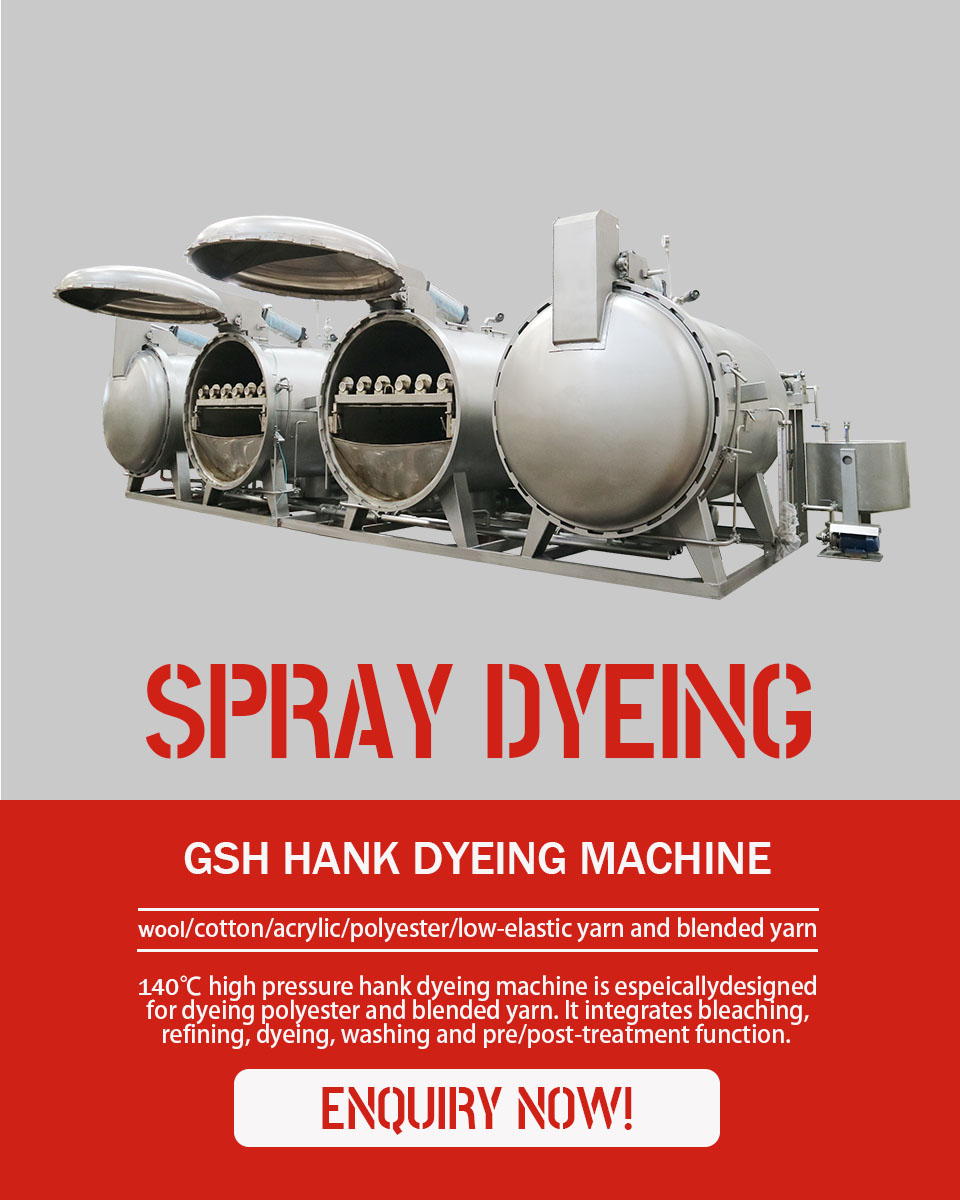
 

hank dyeing machine


Selection of Dyeing Methods: Strategic Considerations from One-Bath One-Step to Two-Bath Processes

The choice of dyeing method for multi-component fibers directly impacts the final outcome and production costs.


Four Main Dyeing Processes

One-Bath One-Step Process: A single dye is used to color multiple fibers simultaneously in one bath. It is suitable for fiber combinations with similar dyeing properties.

One-Bath One-Step Dual-Dye Process: Two dyes are applied in the same bath to dye different fibers separately. This method requires good compatibility between the dyes.

One-Bath Two-Step Process: Dyeing is conducted in a single bath but in two distinct stages, accommodating different dyeing condition requirements.

Two-Bath Process: Fibers are dyed separately in two baths. This is the most flexible method but also the most costly, making it suitable for complex fiber combinations.


Key Considerations for Process Selection

  • Adaptability of fibers to dyeing temperature and pH.
  • Compatibility between dyes and the degree of cross-staining.
  • Color requirements and fastness standards for the final product.
  • Balance between production cost and efficiency.


Textile Dyeing Equipment: Key Support for Achieving Ideal Dyeing of Multi-Component Fibers

In dyeing process of multi-component fibers, advanced dyeing equipment serves not only as the medium for implementing the process but also as core element ensuring dyeing quality and realizing the intended design effects.


Direct Correlation Between Equipment Selection and Dyeing Results

The appropriate selection of dyeing equipment directly influences the fabric's:

  • Hand feel retention and style presentation
  • Color uniformity and reproducibility
  • Control of fiber damage
  • Efficiency in energy and chemical consumption


Batch Dyeing Machine is More Prevalent for Multi-Component Fiber Textiles

  • Woven fabrics are commonly dyed using open-width jig dyeing machines, beam dyeing machines, and jet or overflow dyeing machines.
  • Knitted fabrics are typically dyed using winch dyeing machines and jet or overflow dyeing machines, with hthp dyeing equipment used for varieties containing polyester.
  • Blended yarns are often dyed using hank dyeing machines and package dyeing machines.


Trend in Specialized Dyeing Equipment for Multi-Component Fiber

To meet the specific demands of multi-component fibers, modern dyeing equipment is developing in the following directions:

  • Precise Temperature Control Systems:Enable optimal dyeing temperature control for different fibers.
  • Intelligent pH Management: Automatically adjusts the acidity/alkalinity of the dye bath to suit different dye requirements.
  • Low Liquor Ratio Technology:Reduces chemical consumption and lowers the risk of cross-staining.
  • Flexible Dyeing Programs:Allow programmable multi-stage processes to adapt to complex dyeing sequences.


Dyeing can be carried out at various stages of multi-component fiber fabric manufacturing. Based on the physical form of the material being dyed, there are typically four dyeing methods:

1. Loose Fiber or Top Dyeing(fiber dyeing machine):

The final fabric can achieve heather or solid color effects. This method offers the best dye penetration and requires high color fastness. Color difference in blended products is minimal. However, it has the highest cost, involves numerous processing steps before the final product is ready and utilizes fiber blending after dyeing, resulting in significant fiber waste.

Typical Applications:Yarn for wool knits, tweeds, thin twill for outerwear, medium to heavy weight fancy suitings; used for dyeing raw materials (for solid or contrast colors) in multi-component (three or more) fiber-blended textiles.


2. Yarn Dyeing (cone dyeing machine or hank dyeing machine):

Used for producing yarn for striped, checkered and other multi-color style fabrics. The cost is moderate, the process is relatively lengthy and material loss is considerable.

Typical Applications:Knitting blended yarns, striped/checked fabrics, brocades, jacquard fabrics, blended yarn-dyed textiles.


3. Fabric Dyeing (overflow dyeing machine, jet dyeing machine, fabric dyeing machine)

This method has low cost and it is suitable for various knits and woven fabric, allowing for quick color updates in apparel fabric. It is mainly limited to achieving solid color or reserve (white) effect. Dyeing fabric with three or more fiber type is challenging.

Typical Applications:Various plain and crepe fabrics, woolen materials, lightweight wool fabrics, corduroy, satin weaves and other fabric—primarily those made from pure or two-component fibers.


4. Garment Dyeing(garment dyeing machine):

Best meets the demand for rapid color updates in apparel, with no waste of pre-dyed yarn or fabric. It is only suitable for garment with simple structure.

Typical Applications: Socks, tights, knitted sweaters, T-shirts, pants and shirts with loose structures, and vintage/stone-washed denim products.
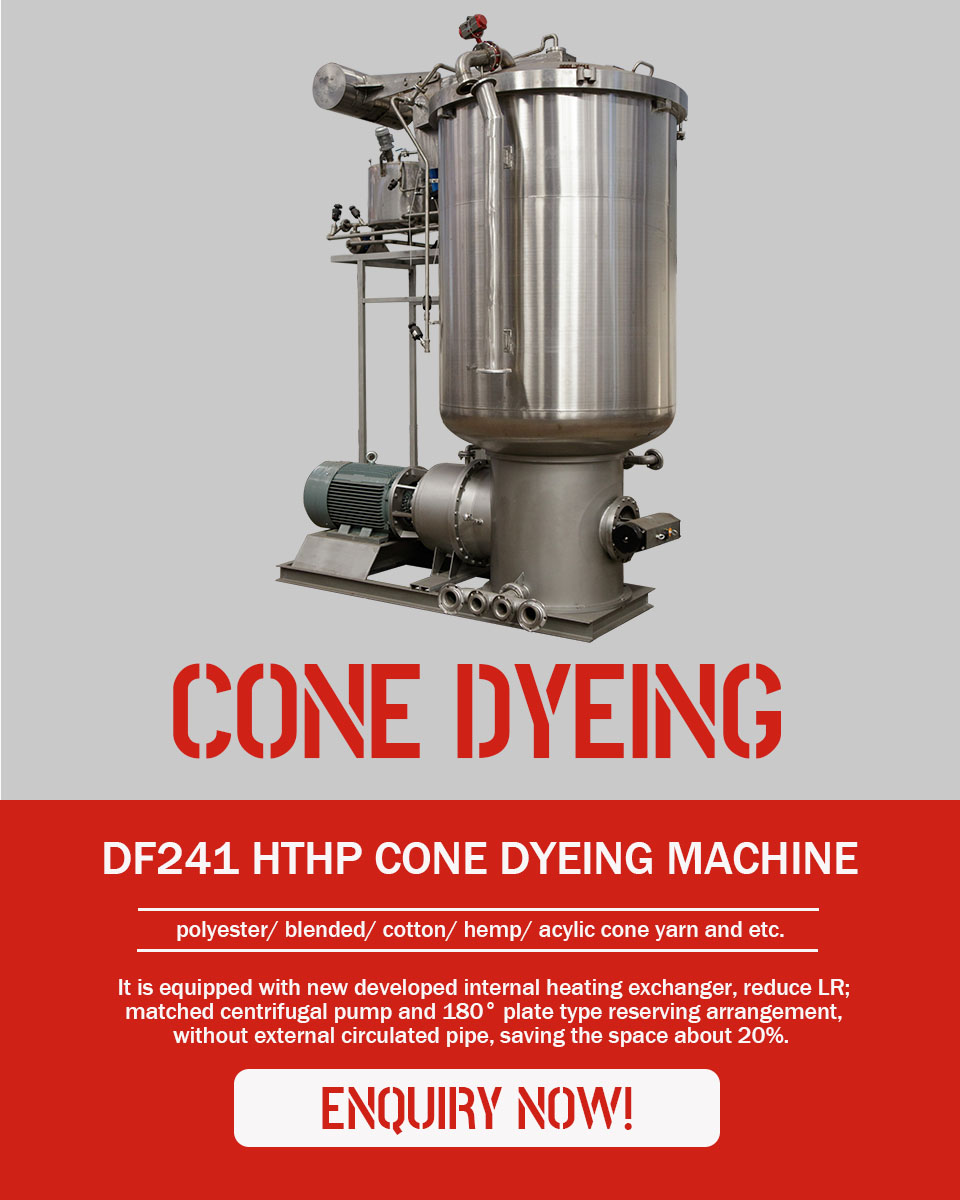
 

cone dyeing machine


Wuxi Shin Tong Yunn: Expert in Multi-Component Fiber Dyeing Solutions

As one of the professional yarn and fabric dyeing machine manufacturer in China, Wuxi Shin Tong Yunn has deep understanding of complexities and technical requirements involved in multi-component fiber dyeing processes. Our textile dyeing machine design and technological innovations are consistently centered around addressing the practical challenges faced by textile dyeing industry.


How Our Dyeing Equipment Tackles Multi-Component Dyeing Challenges:

1. HTHP Dyeing Machine Series

  • Precise temperature control range (up to 140°C) meets the needs of polyester and other synthetic fibers.
  • Gentle heating and cooling curves protect sensitive fibers like acetate.
  • Suitable for combinations such as polyester/cellulose fibers and polyester/nylon.


2. Multi-Functional Jet Overflow Dyeing Machine

  • Gentle mechanical action preserves fiber structural integrity.
  • Suitable for knitted fabrics and sensitive woven fabrics.
  • Particularly ideal for delicate blends like wool/synthetic fibers.


3. Intelligent Dyeing Control System

  • Multi-program storage allows for quick switching between processes for different fiber blends.
  • Real-time monitoring and adjustment of dyeing parameters.
  • Ensures dyeing reproducibility and consistent quality.


Successful Application Cases: Practical Three-Component Fiber Dyeing

We have collaborated with numerous textile enterprises to successfully achieve high-quality dyeing for various complex fiber blends:

Case 1: Polyester/Cotton/Spandex Elastic Fabric

Utilized our high-temperature high-pressure dyeing machine.

Employed a one-bath two-step method with disperse/reactive dyes.

Achieved excellent solid color effect while maintaining elasticity.


Case 2: Wool/Polyester/Viscose High-End Suiting Fabric

Applied gentle overflow dyeing technology.

Implemented multi-stage temperature and pH control.

Achieved rich colors on wool and precise reserve effects on synthetic fibers.


Case 3: Nylon/Acrylic/Polyester Sportswear Fabric

Precise temperature control ensured optimal dye uptake for different dye types.

Special washing procedures minimized cross-staining.

Achieved vivid and durable contrast color effects.


Advancing Multi-Component Dyeing through Intelligence and Sustainability

With the accelerated innovation in textile materials, three-component and even multi-component fiber textiles will become mainstream in the market. Dyeing technology must evolve accordingly, with equipment innovation serving as the core driver of this progress.


Wuxi Shin Tong Yunn Machinery Technology Co., Ltd remains committed to:

  • Developing more precise dye delivery and distribution systems.
  • Integrating artificial intelligence to optimize dyeing processes.
  • Advancing green technologies that reduce water, energy, and chemical consumption.
  • Creating specialized dyeing solutions adapted to new fiber materials.


Dyeing multi-component fiber textiles is complex process that integrates materials science, color chemistry and precision engineering. The key to success lies in profound understanding of the interplay between fiber characteristics, dye behavior and dyeing machine capabilities. As professional partner in the field of dyeing equipment, Wuxi Shin Tong Yunn will continue to provide innovative solutions, helping textile enterprises overcome the challenges of multi-component fiber dyeing and achieve exceptional unity between color design & product quality.


Add Color and Sustainability to Every Sip with Eco-Friendly Paper Straws

As more consumers shift toward environmentally responsible choices, even the smallest items—like drinking straws—play an important role in reducing plastic waste. The Colorful Compostable Biodegradable Paper Drinking Straws from Biosettings offer a fun, vibrant, and sustainable alternative to traditional plastic straws. Their bright colors make every beverage more enjoyable while providing an eco-friendly upgrade that aligns with today’s green lifestyle.

Made from recycled, food-grade paper, these straws are fully biodegradable and compostable, ensuring they break down naturally without harming the environment. Despite being lightweight and colorful, they are strong enough to hold up in both cold and room-temperature drinks. Whether used at home, in cafés, juice bars, or at events, these paper straws deliver reliable performance without toxic coatings or plastic materials.

Perfect for parties, catering, and everyday use, these recycled paper straws enhance beverage presentation while supporting sustainability goals. Their smooth texture and sturdy design offer a comfortable sipping experience, and the wide variety of colors makes them a great match for themed events or branded drink service. For businesses seeking to reduce environmental impact, switching to compostable paper straws is an easy, cost-effective way to demonstrate eco-conscious values.


At Biosettings, we are committed to creating high-quality, compostable, and biodegradable products that promote a cleaner planet. Our colorful paper drinking straws reflect our mission to make sustainability simple, practical, and stylish. Choose Biosettings to bring eco-friendly solutions to your table—one straw, one sip, and one positive change at a time.

How to choose the right dyeing machine for different yarn and fabric?

Unlocking the Secrets of Efficient Dyeing Processes: A Complete Analysis of Wuxi Shin Tong Yunn's Professional Dyeing Equipment


In textile industry, dyeing is the key process that brings fabric to life. Whether for natural or synthetic fiber, final color vibrancy, uniformity and color fastness-depend on choice of dyestuff, dyeing processes and it's also related to the performance of textile dyeing equipment. Wuxi Shin Tong Yunn is a manufacturer, which is specializing in R&D and production of dyeing machines. We understand essence of dyeing technology deeply. We are committed to providing customers with efficient and stable yarn and fabric dyeing solutions that match the characteristics of various dyestuff and material of yarn & fabric.


fabric dyeing machine


Core Challenges in Dyeing Technology and the Key Role of Textile Dyeing Equipment

As professional literature indicates, the dyeing process encompasses three stages: adsorption, diffusion penetration and fixation. It involves the application of various dyes such as direct dyes, vat dyes, reactive dyes, disperse dyes and cationic dyes. Each stage places stringent demands on related dyeing equipment:


Dyeing Rate and Levelness: Too fast dye uptake can easily cause shading, while too slow dyeing affects efficiency. Wuxi Shin Tong Yunn's High Temperature Dyeing Machine, with their precise temperature control system and fluid dynamics design, ensure even diffusion and penetration of dyes on fiber surface and inside of fiber, effectively improving migration and reducing the risk of shading.


Temperature and Pressure Control: For example, polyester dyeing requires high temperature around 130°C for disperse dyes to fully exhaust; while acrylic fibers dyed with cationic dyes require precise control of the heating rate. Our high temperature yarn dyeing machine and high pressure fabric dyeing machine possesses excellent sealing and temperature control accuracy, providing stable environment for perfect dyeing of synthetic fibers.


Process Adaptability: From batch to continuous dyeing, from normal-temperature to high-temperature conditions, different dyestuff require different machinery support. Wuxi Shin Tong Yunn offers variety options of dyeing machine, including Rope Dyeing Machine, High-Temperature Overflow Dyeing Machine, High-Temperature Cone Dyeing Machine, High-Temperature Hank Dyeing Machines, and Normal Temperature Yarn Dyeing Machine, flexibly adapting to various dyeing processes and meeting dyeing needs of cotton, linen, silk, wool and all types of fibers.


hank dyeing machine


Wuxi Shin Tong Yunn Dyeing Machines: Professional Dyeing Equipment Precisely Matched to Dye Characteristics

Addressing Affinity Differences: For scenarios requiring salt promotion or strict pH control, such as with direct dyes or acid dyes, our equipment can easily integrate chemical dosing systems for automated management, optimizing dye uptake and reducing dye waste.


Ensuring High Fastness Dyeing: For dyes such as vat dyes and sulfur dyes that require post-treatment processes like oxidation and soaping to fix the color and enhance fastness, Wuxi Shin Tong Yunn's textile dyeing machine is equipped with efficient washing, oxidation and soaping units that can thoroughly remove unfixed dye, ensuring excellent color fastness of the final product.


Overcoming Synthetic Fiber Dyeing Challenges: hthp dyeing machine specially designed for polyester creates ideal dye diffusion conditions; while the equipment optimized for acrylic fibers effectively resolves the easy uneven dyeing issue of cationic dyes through programmed controlled heating rate and leveling agent dosing systems.


cone dyeing machine


Why Do Global Customers Choose Wuxi Shin Tong Yunn as Partner?

Technological Leadership: 25+ Years of deep industry experience, continuous innovation and reliable equipment performance.

Customized Solutions: Provide suitable dyeing equipment selection and process guidance based on the customer's specific material type, dye characteristics and production scale.

Excellent Quality and Service: Comprehensive technical support from equipment manufacturing and installation & debugging to after-sales service, ensuring worry-free production for clients.


Customized Service Commitment of Yarn and Fabric Dyeing Machine

We understand that each production environment is unique. Therefore, we offer:

  • Personalized equipment configuration solutions
  • Production process optimization advice
  • Professional installation and technical support
  • Ongoing equipment maintenance and repair services


Explore Professional Dyeing Solutions Now! Learn how our professional textile dyeing equipment can help you:

  • Enhance product quality and consistency
  • Reduce production costs
  • Achieve sustainable development goals
  • Enhance market competitiveness


Let us help you achieve superior dyeing results. Contact Wuxi Shin Tong Yunn today to discover perfect dyeing solution for your needs.


Contact Us


The Rise of Custom Paper Cutlery Sets

As sustainability becomes a priority for modern consumers and businesses, eco-friendly alternatives to single-use plastics are rapidly gaining popularity. One standout option is the custom logo paper cutlery set, a practical and environmentally responsible choice for parties, cafés, catering companies, and takeaway services. These biodegradable paper utensils offer the perfect balance of convenience, aesthetics, and sustainability—making them an ideal solution for brands that value both function and environmental care.


Why Choose a Custom Logo Paper Cutlery Set?

The custom logo packing paper cutlery set

features high-quality eco-friendly paper utensils, including a paper spoon, knife, and fork, packaged in a customized printed sleeve. This not only enhances presentation but also strengthens brand identity. Businesses can easily showcase their logo, event name, or message on the packaging, turning every meal into a subtle marketing opportunity. Lightweight, compostable, and designed for convenience, this set aligns perfectly with zero-waste and eco-friendly values.


Perfect for Parties, Events, Restaurants & Takeaway Services

From corporate events to outdoor picnics, and from restaurants to large-scale catering, paper cutlery sets provide a hygienic and biodegradable solution that minimizes plastic waste. Their sturdy design ensures reliable performance for a variety of foods, while the customized outer pack adds a professional touch. Whether you’re hosting a sustainable event or providing eco-friendly takeaway options, these paper utensil kits help reduce environmental impact while enhancing the customer experience.


biosettings: Your Partner in Sustainable Packaging Solutions

At biosettings, we believe that practical foodservice products can—and should—be environmentally responsible. Our custom logo paper cutlery set reflects our mission to combine sustainability with thoughtful design, helping businesses transition away from plastic without sacrificing quality.  

Why Choosing the Right Baby Plate Matters

When your little one begins self-feeding, every detail—from utensils to the plate they use—matters. A suction plate with a non-slip base helps reduce spills, supports independent feeding, and gives both you and baby more confidence at mealtime. Add in the advantage of food-grade silicone and a smooth wooden handle spoon, and you’re looking at a feeding set that combines safety, usability, and style.


Highlighting the Key Features of the Set

This baby meal set features a silicone suction plate that adheres securely to high chair trays or dining tables, helping keep the plate in place during wiggly mealtimes. According to experts, suction plates make a real difference for toddlers learning to eat independently.


Baby Silicone Feeding Tableware


Meanwhile, the included wooden spoon blends natural warmth with the ease of silicone tip design—ensuring a gentle, safe feeding utensil for sensitive gums. The material choices—food-grade silicone and natural wood—offer durability, ease of cleaning, and reassurance that the set is free from harmful chemicals.


Silicone Baby Plate


Perfect for Baby-Led Weaning, Gifts & Practical Daily Use

Whether you’re introducing solids for the first time, planning a baby shower gift, or simply upgrading your everyday feeding kit, this set checks the boxes. The suction plate supports baby-led weaning by stabilising the dish and enabling baby to explore food without constant plate repositioning. Parents also appreciate that the materials are easy to clean and often dishwasher safe—or at least simpler to rinse than traditional breakable bowls. This set offers practical value and an attractive design that suits modern family lifestyles.


biosettings: Where Quality, Design & Purpose Meet

At biosettings, we believe feeding time should be functional, stylish, and safe for your child—and for the planet. Our Baby Meal Set (silicone suction plate + wooden spoon) represents that vision: smart materials, thoughtful design and real-world usability.